Energy Efficient Globe Pendant Light with Elegant Ribbed Glass Finish
Understanding the Ribbed Glass Globe Pendant
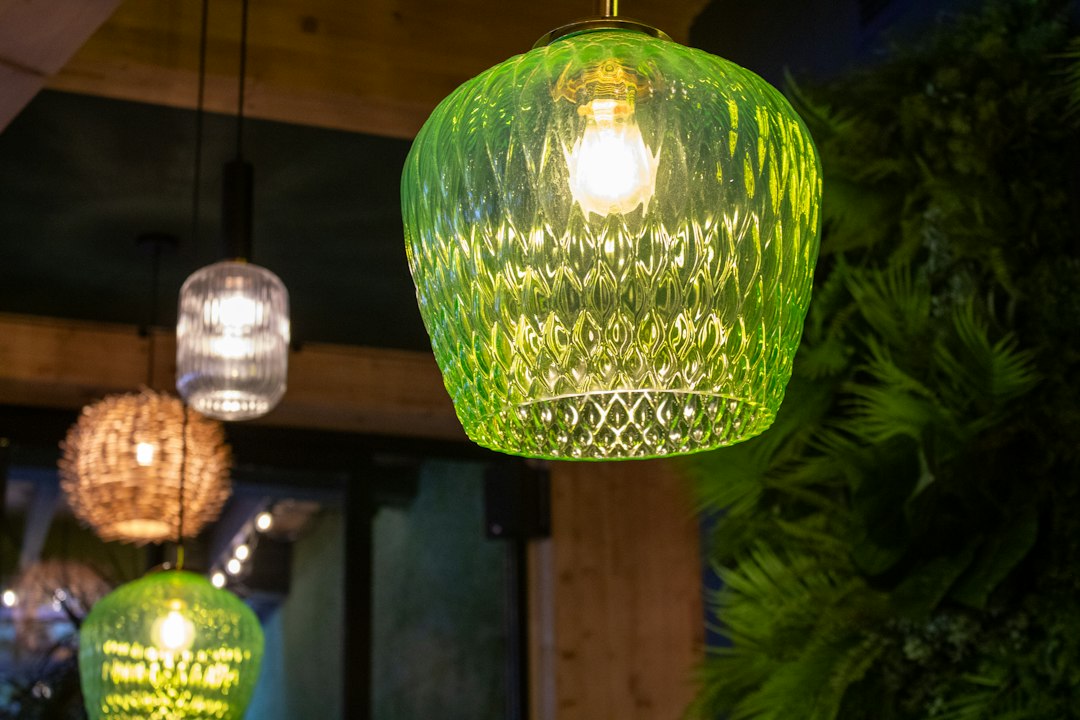
You’re looking for a light fixture that’s both stylish and cuts down on your energy bill, right? An energy-efficient globe pendant light with an elegant ribbed glass finish is a fantastic option. Essentially, it’s a hanging light fixture featuring a spherical or globe-shaped diffuser made of glass, and that glass has a distinctive ribbed texture. The “energy-efficient” part typically refers to the type of bulb it accommodates – often LED – which significantly reduces power consumption compared to older incandescent options. The ribbed glass isn’t just for looks; it subtly diffuses the light, creating a softer, more inviting glow while adding a touch of classic elegance. This combination makes it a popular choice for various spaces, offering both aesthetic appeal and practical benefits.
Why Choose Ribbed Glass? Beyond Just Looks
The choice of ribbed glass for a pendant light isn’t purely aesthetic, though it certainly does add a significant visual appeal. There are several practical reasons why this particular finish stands out and why it might be the right choice for your home. It’s about more than just a pretty face; it’s about how light interacts with its surroundings and how a fixture can contribute to the overall feel of a room.
The Art of Light Diffusion
One of the primary benefits of ribbed glass is its ability to diffuse light. Unlike clear glass, which allows light to pass through unobstructed and can sometimes create harsh, direct beams or glare, ribbed glass works to break up the light rays. The ridges and grooves scatter the light in multiple directions, effectively softening the output. This results in a more ambient, evenly distributed illumination throughout the room. Think of it like taking a concentrated beam and spreading it out gently. This diffusion is particularly useful in spaces where you want to avoid harsh shadows or where direct light might be too intense for certain tasks or atmospheres. It creates a comfortable glow that’s easy on the eyes.
Adding Visual Texture and Interest
From a design perspective, ribbed glass introduces a subtle yet impactful visual texture. In a room filled with smooth surfaces – walls, furniture, floors – a ribbed pendant provides a welcome contrast. This texture adds depth and interest without being overly busy or distracting. It catches the light in unique ways, creating tiny highlights and shadows across its surface, which can change throughout the day as natural light shifts. This dynamic quality adds a living element to the fixture, making it more engaging than a plain, smooth globe. It’s a sophisticated way to introduce detail without resorting to overly ornate designs, fitting well into both minimalist and more traditionally styled interiors.
A Nod to Classic and Contemporary Styles
Ribbed glass has a timeless quality. It harks back to classic lighting designs, evoking a sense of heritage and craftsmanship. At the same time, when paired with a modern, simple globe shape and perhaps a sleek metal finish, it can look incredibly contemporary. This versatility means a ribbed glass globe pendant isn’t likely to go out of style quickly. It can seamlessly bridge different design aesthetics, making it a safe and enduring choice for many homeowners. Whether your decor leans towards industrial chic, mid-century modern, or even a more traditional farmhouse look, a well-chosen ribbed glass pendant can complement it beautifully. This adaptability is a huge advantage when you’re investing in lighting that you want to last for years to come.
Energy Efficiency: Smart Lighting Choices
When we talk about “energy-efficient” lighting, it’s really about making choices that reduce your electricity consumption without sacrificing light quality. For a globe pendant, this primarily comes down to the type of bulb you use and, to a lesser extent, the fixture’s design. The goal is to get the light you need while being mindful of your energy bill and environmental impact.
The LED Advantage
The biggest leap in energy efficiency for lighting comes from LED (Light Emitting Diode) technology. If your ribbed glass globe pendant is designed to accommodate LED bulbs, you’re already on the right track. LEDs consume significantly less power than traditional incandescent bulbs – often 75-80% less – to produce the same amount of light (measured in lumens). This translates directly into lower electricity bills. Beyond just power savings, LEDs also have a remarkably long lifespan, typically tens of thousands of hours. This means you’ll replace bulbs far less frequently, saving you money and hassle in the long run. They also generate much less heat, which can be a small but noticeable benefit in warmer climates, as they won’t contribute as much to your home’s cooling load. When choosing LED bulbs, look for those with a high lumen-per-watt rating, as this indicates greater efficiency.
Dimming Capabilities and Controls
Energy efficiency isn’t just about the bulb itself; it’s also about how you use it. A truly energy-efficient lighting setup often includes dimming capabilities. If your ribbed glass globe pendant is compatible with dimmable LED bulbs and a compatible dimmer switch, you can further optimize your energy use. Dimming the lights reduces the amount of power being drawn, directly saving energy. It also allows you to adjust the ambiance of the room, providing bright task lighting when needed and a softer, more relaxed glow at other times. Beyond traditional dimmers, smart lighting controls can take efficiency a step further. These systems allow you to schedule lighting, control it remotely via an app, or even integrate it with motion sensors. While the pendant itself doesn’t offer these features, its compatibility with smart bulbs and systems means you can easily upgrade to a highly efficient and convenient setup.
Lumens, Watts, and Color Temperature Explained
Understanding a few key terms will help you make informed decisions about energy-efficient lighting for your pendant.
- Lumens (lm): This is the measure of brightness. When replacing an incandescent bulb, don’t look at watts; look at lumens. A 60-watt incandescent bulb produces about 800 lumens, so aim for an LED bulb with a similar lumen output if you want equivalent brightness.
- Watts (W): This measures the amount of electricity consumed. An energy-efficient LED will have a much lower wattage than an incandescent bulb for the same lumen output. For example, an 800-lumen LED might only use 9-10 watts.
- Color Temperature (Kelvin – K): This describes the perceived warmth or coolness of the light. Lower Kelvin numbers (e.g., 2700K-3000K) produce a warm, yellowish light similar to traditional incandescents, often called “soft white.” Higher numbers (e.g., 4000K-5000K) produce a cooler, bluer light, often called “cool white” or “daylight.” While not directly related to energy efficiency, choosing the right color temperature is crucial for creating the desired atmosphere in your space. For a ribbed glass pendant, a warmer color temperature often enhances the elegant and inviting feel.
By understanding these concepts, you can select the most appropriate and energy-efficient LED bulb for your ribbed glass globe pendant, ensuring both beautiful illumination and reduced energy consumption.
Practical Considerations for Installation and Placement
Once you’ve settled on the idea of an energy-efficient ribbed glass globe pendant, it’s time to think about the practicalities of bringing it into your home. This involves considering where it will go, how it will be installed, and what kind of lighting effect you’re hoping to achieve. A little planning goes a long way to ensure you’re happy with the end result.
Sizing and Scale for Your Space
One of the most common mistakes people make with pendant lighting is choosing the wrong size. A pendant that’s too small can look lost, while one that’s too large can overpower the space.
- Dining Areas: Over a dining table, a general rule of thumb is that the fixture’s diameter should be roughly half to two-thirds the width of the table. You also need to ensure it’s high enough so that it doesn’t obstruct views or heads – typically 30-36 inches above the tabletop.
- Kitchen Islands: For kitchen islands, multiple smaller pendants are often more effective than one large one. Space them evenly, about 24-30 inches apart, and ensure the bottom of the pendant is about 30-36 inches above the countertop.
- Entryways/Hallways: In an entryway or hallway, consider the ceiling height. You want to ensure there’s enough clearance for people to walk underneath without bumping their heads. A general guideline is that the bottom of the fixture should be at least 7 feet from the floor in high-traffic areas.
- General Room Lighting: If using a single pendant as ambient lighting in a bedroom or living room, consider the room’s overall dimensions. A good starting point is to add the room’s length and width in feet, and that sum in inches can be a rough guide for the pendant’s diameter. For instance, a 10×12 foot room (22 feet) might suit a 22-inch diameter pendant. Always visualize it if you can – hold up a balloon or an object of similar size to get a feel for the scale.
Installation Basics and Electrical Requirements
Installing a pendant light generally involves some basic electrical work. If you’re not comfortable with this, it’s always best to hire a qualified electrician.
- Existing Wiring: Most pendant lights are designed to be hardwired into an existing electrical box in the ceiling. If you don’t have one where you want the light, an electrician will need to run new wiring, which is a more involved process.
- Mounting: Pendants typically come with a canopy (the part that covers the electrical box) and a hanging mechanism (cord, rod, or chain). Follow the manufacturer’s instructions carefully. Ensure the electrical box is rated to support the weight of the fixture.
- Height Adjustment: Many pendant lights offer adjustable hanging lengths, either by shortening a chain, cutting a cord, or adjusting a rod. Make these adjustments before finalizing the installation, once you’ve determined the ideal height for your specific space and application.
- Dimmer Switches: If you plan to use dimmable LED bulbs, make sure your wall switch is a compatible LED dimmer. Standard incandescent dimmers often won’t work correctly with LEDs and can cause flickering or damage.
Combining with Other Lighting Layers
A ribbed glass globe pendant is often best utilized as part of a layered lighting scheme rather than the sole light source.
- Ambient Lighting: As a pendant, it excels at providing ambient (general) lighting, especially with its diffusing ribbed glass. It creates an inviting overall glow.
- Task Lighting: In a kitchen, pair island pendants with under-cabinet lighting for task-specific illumination. In a dining room, supplemental table lamps or floor lamps can provide additional task or accent lighting.
- Accent Lighting: If you have artwork or architectural features you want to highlight, consider adding recessed spotlights or picture lights.
- Mood Lighting: The dimming capabilities mentioned earlier are key here. Being able to dim your globe pendant allows it to transition from functional ambient lighting to a softer, mood-setting element.
By thoughtfully integrating your ribbed glass pendant with other light sources, you can create a dynamic and functional lighting plan that adapts to various activities and moods throughout your home.
Cleaning and Maintenance Tips
Keeping your ribbed glass globe pendant looking its best doesn’t have to be a chore. With a bit of regular attention, you can ensure it continues to diffuse light beautifully and remains a stylish focal point in your space. The key is gentle, consistent care.
Regular Dusting and Light Cleaning
The most common issue with any light fixture is dust accumulation. Ribbed glass, with its textured surface, can sometimes collect dust a little more readily than smooth glass.
- Frequency: Aim for a light dusting at least once a month, or more often if you notice visible dust.
- Tools: A soft, dry microfiber cloth or a feather duster is usually sufficient for regular maintenance. For hard-to-reach areas within the ribs, a clean, soft paintbrush can work wonders to dislodge dust.
- Technique: Gently wipe down the entire glass surface, making sure to get into the grooves of the ribs. Avoid using abrasive materials that could scratch the glass.
For slightly more ingrained dust or minor smudges, a slightly damp cloth can be used.
- Damp Cloth: Lightly dampen a microfiber cloth with plain water – no chemicals needed at this stage.
- Wipe and Dry: Gently wipe the glass, then immediately follow up with a dry microfiber cloth to prevent water spots.
Deep Cleaning for Stubborn Marks
Occasionally, your pendant might need a more thorough cleaning, perhaps due to cooking grease in a kitchen, fingerprints, or other stubborn marks.
- Safety First: Always turn off the power to the fixture at the circuit breaker before attempting any deep cleaning. This is crucial for your safety. Allow any bulbs to cool completely if they’ve been on recently.
- Detaching the Glass (if possible): Many globe pendants allow the glass shade to be easily detached from the fixture. If yours does, this is often the easiest way to clean it thoroughly. Consult your fixture’s manual for instructions on how to safely remove and reattach the glass.
- Cleaning Solution: For grease or grime, a mild solution of dish soap and warm water works well. Fill a sink or basin with warm water and add a few drops of mild, non-abrasive dish soap.
- Washing: Submerge the detached glass globe (if removable) in the soapy water, or use a soft sponge or cloth dipped in the solution to gently wipe down the attached globe. Pay extra attention to the ribbed areas where grime might settle.
- Rinsing: Thoroughly rinse the glass with clean water to remove all soap residue. Soap left on the glass can leave a cloudy film once dry.
- Drying: This is a critical step to avoid water spots and streaks. Use a clean, dry microfiber cloth to carefully dry the entire surface. For an extra streak-free finish, you can buff the glass with a lint-free cloth or even a crumpled piece of newspaper (though be careful with ink transfer on light surfaces).
- Reassembly: Once completely dry, carefully reattach the glass globe to the fixture, ensuring it’s securely in place before turning the power back on.
Avoiding Damage and Common Pitfalls
- No Harsh Chemicals: Avoid abrasive cleaners, ammonia-based cleaners (like window cleaner with ammonia), or strong chemical solvents. These can etch the glass, degrade its finish, or damage any metal components of the fixture. Plain water with a tiny bit of mild dish soap is usually all you need.
- No Abrasive Materials: Stick to soft cloths, sponges, or brushes. Steel wool, scrubbing pads, or rough towels can scratch the glass, permanently dulling its elegant finish.
- Handle with Care: Glass is fragile. Always handle the globe gently, especially when detaching, washing, or reattaching it. A dropped globe is an unfortunate and expensive accident.
- Bulb Changes: When changing bulbs, ensure the power is off and the old bulb is cool. Always use the specified wattage/lumen equivalent for LED bulbs to prevent overheating or inefficient operation, and ensure the bulb’s size fits comfortably within the globe.
By following these straightforward cleaning and maintenance tips, your energy-efficient ribbed glass globe pendant will continue to provide beautiful, diffused light for years to come, maintaining its elegance and charm without much fuss.
Selecting the Right Style and Finish
Choosing a ribbed glass globe pendant isn’t just about the glass; it’s also about the overall aesthetic of the fixture, including the metal finishes, the suspension type, and how it ties into your existing decor. The right combination can elevate your space from functional to truly inspiring.
Metal Finishes and Their Impact
The metal components of the pendant – the canopy, rod, or chain – play a significant role in defining its style.
- Matte Black: This finish offers a modern, industrial, or minimalist aesthetic. It provides a strong contrast, making the ribbed glass stand out. Matte black works well in contemporary homes, or as a bold accent in lighter, more neutral spaces. It can evoke a sophisticated, almost gallery-like feel.
- Brushed Brass/Gold: These warm metallic finishes bring a touch of vintage charm, luxury, and warmth. They pair beautifully with the classic feel of ribbed glass. Brushed brass or gold can complement bohemian, mid-century modern, or even more traditional farmhouse styles, adding a rich, inviting glow. They often look stunning against darker walls or rich wood tones.
- Polished Chrome/Nickel: For a sleek, clean, and often more contemporary look, polished chrome or nickel are excellent choices. They reflect light, adding a sense of brightness and airiness. These finishes are versatile and can fit into modern, minimalist, or transitional decors. They often work well in kitchens and bathrooms where a crisp, clean aesthetic is desired.
- Oil-Rubbed Bronze: This finish offers a rustic, traditional, or industrial feel with its deep, dark, often slightly textured appearance. It can add a sense of history and gravitas to a space, pairing well with natural materials like wood and stone. Oil-rubbed bronze is a good choice for spaces with a warmer, more earthy palette.
Consider the other metal finishes in your room – cabinet hardware, door handles, other light fixtures – to ensure a cohesive look. While not everything needs to match perfectly, aiming for complementary tones and styles will create a more harmonious environment.
Suspension Types: Rod, Chain, or Cord
The way the pendant hangs also influences its aesthetic and suitability for different spaces.
- Rigid Rod: Pendants suspended by a rigid metal rod offer a clean, contemporary, and often more structured look. They provide stability and prevent swinging, making them ideal for spaces where precision and a streamlined appearance are desired, such as over kitchen islands or dining tables in modern homes. The rod length is usually fixed or adjustable in specific increments.
- Chain: Chain-hung pendants tend to have a more traditional, rustic, or even industrial feel. The chain allows for easy height adjustment by removing or adding links, offering flexibility during installation. They are often chosen for spaces with higher ceilings or where a slightly more ornate or classic aesthetic is preferred. The visual texture of the chain itself can add to the fixture’s character.
- Fabric or Braided Cord: Cord-hung pendants are very versatile and can range from minimalist to bohemian, depending on the cord’s material and color. They often offer the most flexible height adjustment, as the cord can be shortened to almost any desired length. Fabric-wrapped cords can add a soft, textile element, while clear or colored plastic cords can provide a clean, almost invisible suspension. Cord-hung pendants are popular for clustered installations or when a less obtrusive hanging mechanism is preferred.
Integrating with Your Interior Design
The ribbed glass globe pendant, being a versatile fixture, can be a chameleon, adapting to various interior design styles.
- Modern/Minimalist: Pair a ribbed glass globe with a matte black or polished chrome finish. Keep the surrounding decor clean, uncluttered, and focus on geometric shapes and neutral colors. The texture of the ribbed glass adds a subtle point of interest without disrupting the minimalist ethos.
- Mid-Century Modern: Opt for a brushed brass or gold finish. Combine it with teak wood furniture, vibrant accent colors, and perhaps some abstract art. The classic globe shape and ribbed texture fit perfectly with the sophisticated yet playful nature of mid-century design.
- Farmhouse/Rustic: An oil-rubbed bronze or even a distressed black finish would be ideal. Pair it with natural wood elements, exposed brick, and cozy textiles. The ribbed glass offers a refined touch that elevates the rustic charm without feeling out of place.
- Transitional: This style blends traditional and contemporary elements. A ribbed glass pendant with a brushed nickel or matte black finish would work well, bridging the gap between classic elegance and modern simplicity. It allows for flexibility in furniture and decor choices.
- Bohemian/Eclectic: While often associated with more ornate fixtures, a ribbed glass globe with a brass finish can add a sophisticated touch. Mix it with layered textiles, global patterns, and an array of textures and colors to create a unique and personalized space.
By carefully considering the metal finish, suspension type, and how these elements integrate with your overall interior design, you can ensure your energy-efficient ribbed glass globe pendant not only illuminates your space beautifully but also enhances its aesthetic appeal.