
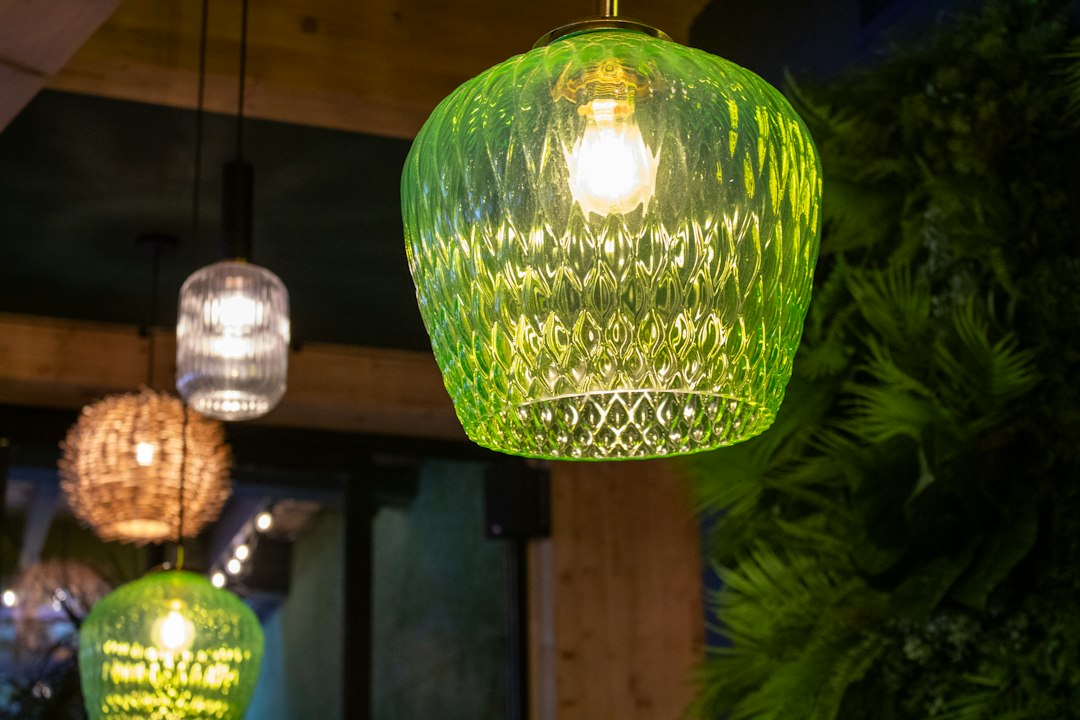
Elegant Warm Ambient Pendant Light with Handblown Glass Finish
So, you’re looking for a pendant light that offers more than just illumination – something that adds a touch of class and a cozy glow. An elegant warm ambient pendant light with a handblown glass finish is essentially a lighting fixture designed to provide a soft, inviting light, often with a subtle, diffused quality. The key elements here are “elegant” (meaning it looks good, not just functional), “warm ambient” (creating a comfortable, welcoming atmosphere rather than bright, direct light), and “handblown glass finish” (which speaks to the craftsmanship, unique textures, and light-diffusion properties of the glass). These lights are generally chosen to enhance the mood and aesthetic of a space, not just to light it up.
Understanding the Appeal of Handblown Glass
There’s a certain magic to handblown glass that mass-produced alternatives just can’t replicate. Each piece is truly unique, bearing the subtle marks of the artisan’s breath and skill. This isn’t just about aesthetics; it profoundly impacts how light interacts with the space.
The Artistry Behind Handblown Glass
When we talk about handblown glass, we’re discussing a centuries-old craft. Skilled artisans heat glass to a molten state, then use a blowing pipe to inflate and shape it. This process isn’t just about creating a form; it’s about imbuing the glass with a character that no machine can replicate. You’ll find slight variations in thickness, tiny air bubbles, and unique patterns that tell a story of its creation. These imperfections aren’t flaws; they are the hallmarks of authentic craftsmanship, differentiating it from molded or machine-pressed glass. This individuality is a significant part of the appeal, making each pendant light a small piece of art.
How Handblown Glass Diffuses Light
The unique properties of handblown glass are excellent for creating that desired warm, ambient glow. Unlike clear, untextured glass that might cast harsh shadows or direct light too intensely, handblown glass often has inherent irregularities and textures. These might be subtle ripples, small trapped air pockets, or deliberate patterns introduced during the blowing process. When light passes through these variations, it gets scattered and softened.
This scattering effect transforms harsh light into a gentle, diffused radiance. Instead of a sharp beam, you get a soft glow that fills the space more evenly. The subtle distortions in the glass can create interesting light patterns on nearby surfaces, adding another layer of visual interest to the room. It’s this ability to beautifully manipulate light that makes handblown glass so effective for ambient lighting.
Key Characteristics for Elegant Warmth
Achieving an elegant and warm ambiance with a pendant light isn’t just about the glass. Several design elements work together to create that desired effect.
Material Selection Beyond Glass
While handblown glass is central, the other materials used in the pendant light’s construction play a crucial role in its overall elegance and warmth. Think about the metals chosen for the canopy, rod, or cord accents. Brass, bronze, or even matte black finishes can significantly influence the light’s character.
Brushed brass, for instance, offers a timeless appeal, adding a touch of classic sophistication and often complementing warmer light temperatures beautifully. Bronze brings a more rustic or industrial-chic vibe, depending on its finish, and also pairs well with warm tones. Matte black provides a contemporary contrast, allowing the glass to truly stand out. The quality of these materials – their finish, weight, and how they connect to the glass – contributes to the overall perception of elegance and durability. Cheap-looking hardware can easily detract from even the most beautiful handblown glass.
Color Temperature and Bulb Choice
The “warm” in “warm ambient” largely comes down to the color temperature of the light bulb you choose. This is measured in Kelvin (K). Lower Kelvin numbers, typically in the 2200K to 3000K range, produce a yellowish-white light similar to an incandescent bulb or candlelight. This is what creates that cozy, inviting feeling. Higher Kelvin numbers (above 4000K) result in a bluer, cooler light that’s better suited for task lighting but detrimental to an ambient, warm aesthetic.
When selecting a bulb, look for “soft white” or “warm white” on the packaging. LED bulbs are highly recommended for their energy efficiency and longevity. Many modern LED bulbs also offer dimmable features, which are essential for creating truly adaptable ambient lighting. Being able to adjust the light intensity allows you to fine-tune the warmth and mood of your space throughout the day or evening. A bulb’s brightness (lumens) is also important; for ambient lighting, you’ll generally want lower lumen output than for direct task lighting.
Form and Silhouette of the Pendant
The shape and overall form of the pendant light contribute significantly to its elegance. While handblown glass offers a vast array of possibilities, certain shapes tend to lend themselves better to a sophisticated, warm aesthetic.
Consider softer, organic shapes that mirror the fluid nature of blown glass. Spheres, teardrops, elongated ovals, or even slightly irregular, sculptural forms often create a more gentle visual impact than harsh geometric designs. The way the glass curves and tapers can influence how light is distributed and how shadows are cast, further enhancing the ambiance. A well-proportioned pendant will feel balanced in its surroundings, neither too overwhelming nor too diminutive. The goal is a shape that feels intentional and harmonious, allowing the unique character of the handblown glass to shine without being overly ornate or fussy.
Strategic Placement for Optimal Ambiance
Where you hang your elegant warm ambient pendant light is just as important as the light itself. Thoughtful placement can transform a room, enhancing its function and aesthetic.
Dining Area Illumination
In a dining area, a pendant light hung over the table becomes a focal point and a crucial element for setting the mood. The ideal height is usually about 30-36 inches above the tabletop, ensuring it illuminates the food and faces of diners without obstructing views or causing glare. For longer tables, a single large pendant might suffice, but often a cluster of smaller pendants or a linear multi-pendant fixture creates a more balanced and visually appealing arrangement.
The warm ambient light from handblown glass is perfect here. It creates an intimate, inviting atmosphere, making meals feel more special and conversation flow more easily. The diffused light reduces harsh shadows, making food look more appealing and softening facial features. Consider a dimmer switch to adjust the brightness from a casual breakfast to a romantic dinner.
Kitchen Island Accent
A kitchen island is often a multi-functional space – prep area, casual dining spot, or even a homework station. Pendant lights can serve both practical and aesthetic purposes here. For tasks like chopping vegetables, you might need slightly brighter illumination, but for casual dining or entertaining, that warm ambient glow is key.
Hanging two or three smaller pendants over an island is a common and effective approach. The spacing between them should be relatively even, usually 24-30 inches apart, depending on the size of the pendants and the length of the island. Ensure they are hung high enough (typically 30-36 inches above the counter) to avoid head bumps while standing or sitting. The handblown glass will add a touch of sophistication to the kitchen, elevating it beyond a purely utilitarian space.
Bedroom and Living Room Accents
In bedrooms and living rooms, ambient lighting is paramount for creating a relaxing and comfortable environment. Instead of primary light sources, pendant lights often act as accent lighting in these spaces.
In a bedroom, a pendant can be a stylish alternative to bedside lamps, freeing up nightstand space. Hung lower, about 15-20 inches above the nightstand, they provide a gentle reading light without disturbing a partner. Over a comfortable armchair in a living room, a pendant can create a cozy reading nook. The warm, diffused light from handblown glass is ideal for these areas, promoting a sense of calm and well-being. Think about how the light interacts with other textures in the room – a soft rug, a comfortable sofa, or artwork – to create a layered lighting scheme.
Entryway and Hallway Sophistication
First impressions matter, and an elegant pendant in an entryway or hallway immediately sets the tone for your home. These spaces often lack natural light, making artificial lighting crucial. A handblown glass pendant can add a welcoming warmth and a touch of sophistication right as you step inside.
For an entryway, consider the height of your ceiling. If you have a high ceiling, a larger, more dramatic pendant can make a statement. Ensure it’s hung high enough so that taller individuals don’t bump their heads – typically at least 7 feet from the floor to the bottom of the fixture. In a hallway, a series of smaller, uniformly spaced pendants can guide the eye and add visual interest to an otherwise plain corridor. The diffused light will prevent harsh glare and create an inviting pathway through your home.
Maintenance and Care for Lasting Beauty
Like any finely crafted item, an elegant handblown glass pendant light benefits from proper care to maintain its beauty and functionality over time.
Gentle Cleaning Techniques
Handblown glass, while durable, still requires a gentle touch during cleaning. The primary goal is to remove dust and smudges without scratching the surface or leaving streaks.
Start by turning off the power to the fixture at the breaker for safety. Use a soft, lint-free microfiber cloth for dusting. For more stubborn grime or fingerprints, slightly dampen the cloth with a solution of warm water and a very small amount of mild, non-abrasive dish soap. Avoid harsh chemical cleaners, ammonia-based products (like window cleaner), or abrasive sponges, as these can damage the glass or its finish, especially if it has any special coatings. Wipe the glass gently, then follow up immediately with a dry microfiber cloth to buff it dry and prevent water spots. For intricate shapes or hard-to-reach areas, a soft brush (like a clean paintbrush) can be helpful for dusting. Always support the glass with one hand while cleaning to prevent undue stress on the fixture.
Bulb Replacement Considerations
Replacing bulbs in a pendant light should be straightforward, but there are a few practical tips to keep in mind, especially with handblown glass.
First, always ensure the power is off at the circuit breaker before attempting to change a bulb. This is non-negotiable for safety. Allow the old bulb to cool completely before touching it, as they can get very hot. When installing the new bulb, handle it by its base or with a clean cloth to avoid getting oils from your skin on the glass, which can create hotspots and shorten the bulb’s lifespan.
For fixtures with enclosed shades, you might need to carefully remove the glass shade to access the bulb. Pay attention to how it’s secured – often with small set screws, a threaded collar, or clips. Keep all hardware organized so you can easily reassemble it. If the glass shade is delicate, consider wearing soft gloves to prevent fingerprints and to get a better grip. Always use the recommended bulb type and wattage specified by the manufacturer to avoid overheating or improper fit. As mentioned earlier, choosing the right color temperature is crucial for maintaining that warm ambient glow.
Addressing Minor Wear and Tear
Even with the best care, minor wear and tear can occur. Knowing how to address it can keep your pendant looking its best for years.
For hardware components like metal finishes, occasional dusting is usually sufficient. If you notice any tarnishing on brass or bronze, a specific metal polish designed for that material can restore its luster, but use it sparingly and carefully, avoiding contact with the glass. Loose connections or wobbling fixtures should be tightened by hand or with appropriate tools, ensuring not to overtighten and potentially strip screws or crack glass.
Small chips or cracks in handblown glass are generally difficult to repair effectively and often compromise the integrity and safety of the fixture. If significant damage occurs, it might be safer to consult with a professional or consider replacing the affected glass component if possible. However, the unique “imperfections” inherent in handblown glass – like tiny air bubbles or subtle variations – are not wear and tear but rather part of its character and should be embraced. Regular, gentle cleaning and proactive bulb replacement will go a long way in preserving the elegance and warmth of your pendant light.
Deciding if It’s Right for Your Space
An elegant warm ambient pendant with handblown glass isn’t for every situation, but it offers distinct advantages for specific design goals.
When to Choose Handblown Glass Pendants
These pendants shine when you’re aiming for a specific aesthetic and atmosphere. They are an excellent choice if you want to add a touch of bespoke craftsmanship and individuality to a room. The unique variations in handblown glass mean you’re getting a fixture with character, making it a conversation starter.
They are particularly suited for spaces where you want to create a relaxed, inviting, and sophisticated mood. Think dining rooms where intimate gatherings happen, living rooms designed for comfort and conversation, or bedrooms where tranquility is key. They also work wonderfully in entryways or hallways where you want to make a lasting first impression of elegance. If you value quality materials and artistic design over sheer functionality or bright task lighting, this type of pendant is probably a good fit. They also pair well with a variety of interior styles, from modern and contemporary to transitional or even subtly rustic, depending on the specific design of the glass and hardware.
Considering Budget and Value
Handblown glass items typically come with a higher price tag than mass-produced glass. This isn’t just about the material; it reflects the skill, time, and artistry involved in its creation. Each piece is made by hand, often in small studios, rather than on an automated assembly line.
When considering the budget, it’s helpful to think about value. While the upfront cost might be higher, you’re investing in a piece that offers unique aesthetic appeal, durability (with proper care), and a certain timelessness that can elevate your entire decor. A well-chosen handblown glass pendant can act as a focal point or a piece of functional art, contributing significantly to the overall perceived value and ambiance of your home. It’s important to research different artisans and brands, as prices can vary widely based on the complexity of the design, the reputation of the glassblower, and the scale of production. Don’t just compare it to cheap alternatives; compare it to other high-quality decorative items you might consider for your home.
Harmonizing with Existing Decor
Integrating a new light fixture into an existing decor requires a bit of thought to ensure it doesn’t clash. An elegant warm ambient pendant with handblown glass is quite versatile, but certain considerations can help it blend seamlessly.
First, consider the overall style of your room. Is it minimalist, industrial, Scandinavian, traditional, or something else? While handblown glass has a unique quality, the shape of the pendant and the finish of its hardware (brass, chrome, black, etc.) will strongly influence its stylistic compatibility. A sleek, minimalist glass sphere might fit a modern home, while a more organic, textured piece could suit a bohemian or transitional space.
Next, think about the other materials in the room. Does the metal finish of the pendant complement other metals present, or does it offer a pleasing contrast? Does the color and texture of the glass work with your existing color palette and fabric choices? The idea is to create a sense of cohesion. The warm light emitted by these pendants generally works well with most color schemes, as it creates an inviting atmosphere. Ultimately, a successful integration makes the pendant feel like it was always meant to be there, enhancing the room’s existing charm rather than competing with it.