Retro Rope-Wrapped Table Lighting: 70s-Inspired Restaurant Ambiance
So, you’re thinking about bringing a bit of that groovy, 70s vibe into your restaurant with rope-wrapped table lighting? Smart move. It’s a look that’s surprisingly adaptable and adds a certain warmth that’s hard to beat, especially if you’re going for a relaxed, inviting atmosphere. Forget harsh overheads; these lamps cast a gentle glow, perfect for making diners feel comfortable and encouraging them to linger. It’s not just about aesthetics, either; the material itself can subtly influence how sound travels in a space, contributing to a cozier feel. We’re talking about a style that whispers “come on in, relax,” rather than shouting “look at me!” Let’s dive into what makes this trend tick and how you can make it work for your place.
There’s something undeniably tactile about rope. It’s a material that’s been used for centuries in practical applications, but when it’s integrated into lighting, it transforms. It brings a natural, organic feel that contrasts nicely with the more manufactured elements of a restaurant. Think about it: polished chrome and sterile white can feel a bit cold. Rope, on its own or as a wrap, injects a bit of earthy texture. It’s a material that feels familiar, almost nostalgic, and that’s a powerful tool in setting a mood.
What Exactly is “Rope-Wrapped Table Lighting”?
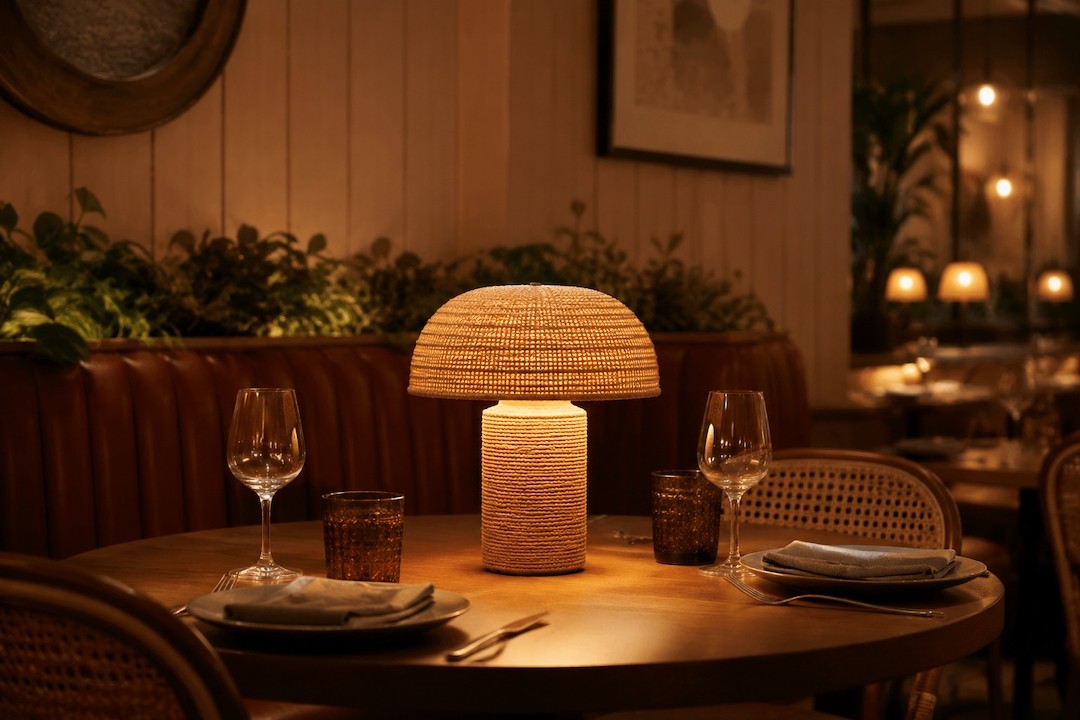
At its core, it’s exactly what it sounds like. Lamps designed for tabletops where the body or shade of the lamp is covered in rope. This isn’t necessarily about actual nautical rope in every case, though that’s certainly an option. We’re talking about various types of fibrous materials, often natural fibers like jute, sisal, or even cotton, meticulously wound around a lamp base or shade. The effect is a textured, warm surface that diffuses light Zneer in a unique way.
Why 70s-Inspired?
The 1970s were a time of experimentation in design, often leaning into natural materials and a more relaxed, bohemian aesthetic. This era saw a rise in furniture and decor that embraced textures and organic forms. Rope-wrapped lighting fits perfectly into this narrative. It echoed a desire for comfort, a connection to nature, and a move away from the more rigid styles of previous decades. It was about creating spaces that felt lived-in and personal, and these lamps were a key part of that.
Crafting the Ambiance: More Than Just Light
These lamps are more than just functional objects; they’re key players in shaping the overall dining experience. The way they cast light, the shadows they create, and the tactile quality they bring to the table all contribute to the atmosphere.
The “Warm Glow” Factor
This is arguably the biggest draw. The texture of the rope acts as a natural diffuser. Instead of a harsh, direct beam, the light from these lamps is softened, creating a warm, inviting glow that’s incredibly flattering and conducive to relaxed conversation. This is especially important for restaurants where you want patrons to feel at ease and linger over their meals and drinks.
Beyond Just Brightness: Color Temperature
It’s not just about how bright the light is, but the color of that light. For a 70s-inspired ambiance, think about warm white or even slightly amber light. This color temperature complements the natural tones of the rope and enhances the cozy feel. Avoid cool, bluish tones, which will fight against the intended warmth.
Shadow Play and Texture
The wrapped rope doesn’t just diffuse light; it creates interesting shadow patterns. These subtle textures on the lamps themselves and the way they cast shadows on the tablecloth or nearby surfaces add depth and visual interest to the table setting. It’s these small details that can elevate a dining experience from mundane to memorable.
The Tactile Experience
In a world increasingly dominated by smooth, often cold surfaces, the tactile quality of rope is a welcome addition. Guests might unconsciously reach out and touch the lamps, adding a sensory layer to their experience. This grounded, earthy feel can make a space feel more approachable and less formal.
Natural Materials as a Statement
Using materials like jute, sisal, or cotton sends a subtle message about your restaurant’s ethos. It speaks to an appreciation for natural elements, craftsmanship, and a less synthetic approach to design. This can resonate with diners who are increasingly conscious of sustainability and authenticity.
Practical Considerations for Implementation
While the look is fantastic, you’ll want to think through the practicalities before you go all-in on rope-wrapped table lighting. Functionality and durability are key for any restaurant environment.
Durability and Cleaning
Restaurants are high-traffic environments. Your lighting needs to withstand spills, the occasional bump, and regular cleaning.
- Material Choice Matters: Some ropes are more durable and easier to clean than others. Sisal, for instance, can be prone to staining. Jute might hold up better but can be a bit more prone to fraying if not sealed properly.
- Sealing and Protection: Consider if the rope is treated or sealed to resist stains and moisture. This is crucial for hygiene and longevity.
- Cleaning Protocols: Establish clear cleaning procedures for your staff. Gentle dusting might be sufficient for some, while others might require specific spot-cleaning techniques. Avoid harsh chemicals that could damage the fibers.
Bulb Type and Heat
The type of bulb you choose can significantly impact the longevity of the rope and the safety of the lamp.
- LED is Your Friend: Opt for LED bulbs. They produce significantly less heat than incandescent bulbs, which is vital for preventing scorching or damage to the rope material over time.
- Wattage and Lumens: Choose bulbs with appropriate wattage and lumen output. You want enough light to read a menu but not so much that it overwhelms the ambiance. Lower wattage LEDs are often ideal for accent and table lighting.
- Heat Dissipation: Ensure the lamp design allows for adequate heat dissipation, even with LEDs. Proper ventilation within the lamp structure is important.
Power and Placement
Think about how these lamps will be powered and where they’ll best serve your diners.
- Cord Management: Tidy cord management is essential for safety and aesthetics. Consider lamps with discreet cords or explore options for integrated power solutions if you’re doing a larger renovation.
- Tabletop Footprint: The size of the lamp base is important. It shouldn’t take up too much valuable real estate on the table, especially for smaller dining surfaces.
- Height and Reach: The height of the lamp should be appropriate for illuminating the table without being in the diners’ direct line of sight or creating glare.
Sourcing Your 70s-Inspired Lamps
Finding the right rope-wrapped table lamps can be a bit of a treasure hunt, but it’s worth the effort to get the authentic feel.
Vintage Finds and Retro Replicas
- Antique Stores and Flea Markets: These are goldmines for original 70s pieces. You might find some gems that just need a little TLC. Be prepared to inspect them thoroughly for wear and tear.
- Online Marketplaces: Websites like Etsy, eBay, and even specialized vintage furniture sites often have a good selection. Use keywords like “70s lamp,” “rope lamp,” “sisal lamp,” or “jute lamp.”
Modern Interpretations
If vintage isn’t your style or you need more consistent availability and reliability, many contemporary lighting manufacturers offer modern takes on this classic look.
- Designer Collections: Look for designers who are known for incorporating natural materials and retro aesthetics into their work.
- Customization Options: Some companies might offer custom wrapping or lamp construction if you have very specific needs.
DIY Potential
For the truly adventurous or budget-conscious, a DIY approach can be rewarding.
- Lamp Bases: You can find simple lamp bases (ceramic, wood, metal) and wrap them yourself.
- Rope Selection: Choose your rope carefully. Jute, sisal, and even thicker cotton twines work well. Experiment with different thicknesses and weaving patterns.
- Adhesives and Techniques: Use a strong, clear-drying adhesive like E6000 or a hot glue gun (used judiciously) to secure the rope. Start at the bottom and work your way up, keeping the tension consistent for a smooth finish.
Integrating Rope Lighting into Your Restaurant Design
It’s not just about the lamps themselves; it’s about how they fit into the bigger picture of your restaurant’s interior.
Complementing Your Existing Decor
Rope lighting can be surprisingly versatile.
- Bohemian and Eclectic Spaces: This is the most obvious fit. It enhances a vibe that’s already leaning into natural textures, vintage finds, and a relaxed atmosphere.
- Mid-Century Modern: A touch of organic texture can soften the clean lines of mid-century modern furniture and add warmth.
- Industrial Chic: The raw texture of rope can provide a nice contrast to metal and concrete elements in an industrial-style space, adding a touch of unexpected softness.
- Rustic and Farmhouse: This style naturally embraces natural materials, making rope-wrapped lamps a seamless addition.
Creating Zones and Moods
Use these lamps strategically to define different areas within your restaurant.
- Intimate Dining Areas: Place them on tables in quieter corners or nooks to create a more private and romantic setting.
- Bar Tops: Smaller, single rope-wrapped lamps can add character to bar surfaces, providing localized light for patrons enjoying a drink.
- Accent Pieces: Even if they’re not the primary source of light, they can be used on side tables or credenzas to add decorative warmth and texture.
The Importance of Layering Light
Rope-wrapped table lamps are rarely the only source of light in a restaurant. Think of them as a crucial layer in a well-designed lighting scheme.
- Ambient Lighting: This provides the overall general illumination for the space.
- Task Lighting: This is where your table lamps come in, providing focused light for dining.
- Accent Lighting: This highlights specific features, like artwork or architectural details.
By layering these different types of lighting, you create a dynamic and inviting environment that caters to various needs and enhances the overall dining experience. The warm glow from your rope-wrapped lamps will be a key contributor to this layered effect.
Beyond the Table: Other Rope Lighting Applications
Don’t limit yourself to just tabletops. The appeal of rope-wrapped lighting can extend to other areas of your establishment, creating a cohesive and inviting aesthetic.
Pendant Lights and Chandeliers
- Hanging Statements: Rope-wrapped pendant lights can make a striking visual impact when hung over bars, communal tables, or even in entryway areas. The vertical element of a pendant can draw the eye upward and add a unique focal point.
- Chandelier Variations: Imagine a chandelier where the frame or individual arms are wrapped in rope. This offers a grander interpretation of the style, capable of filling larger spaces with a warm, textured glow. These can be particularly effective in restaurants with a slightly more upscale but still relaxed vibe.
Wall Sconces
- Subtle Illumination: Rope-wrapped wall sconces can provide soft, ambient light in hallways, waiting areas, or along seating banquettes. They offer a more subdued presence than a table lamp but still contribute to the overall tactile and warm aesthetic.
- Highlighting Features: Sconces can be used to highlight artwork, textured walls, or architectural details, adding another layer of visual interest to your space.
Floor Lamps
- Corner Ambiance: A larger rope-wrapped floor lamp can anchor a seating area in a lounge or waiting space, providing a cozy pool of light. This is perfect for creating a more relaxed zone where guests might wait for a table or enjoy a digestif.
- Adding Height and Texture: Floor lamps introduce varying heights into your lighting design, preventing the space from feeling flat. The substantial presence of a rope-wrapped floor lamp can add significant warmth and visual weight to a corner.
Integrated Fixtures
- Custom Builds: For a truly unique look, consider custom-built fixtures where rope is an integral part of the design, not just an add-on. This could involve incorporating rope into the structure of built-in seating or decorative wall features.
- Minimalist Bases: Sometimes, the beauty is in simplicity. A simple lamp base with a rope-wrapped shade can be incredibly effective, letting the texture and light quality speak for themselves.
When considering these other applications, always remember the core principles: the desired ambiance, the durability needed for a commercial setting, and how the rope material will interact with the light and heat. Proper installation and thoughtful placement will ensure these elements contribute positively to the overall dining experience.
In conclusion, embracing retro rope-wrapped table lighting is more than just a trend; it’s a strategic design choice that can significantly enhance the warmth, intimacy, and overall appeal of your restaurant. By understanding the history, the practicalities, and the aesthetic possibilities, you can effectively weave this charming element into your establishment, creating a dining environment that truly resonates with your guests.