Create Ambiance with a Dimmable Dining Room Chandelier
So, you want to create some great ambiance in your dining room with a dimmable chandelier? The short answer is yes, absolutely you can, and it’s a fantastic idea. Dimmable chandeliers offer a flexible lighting solution that can transform your dining area from a brightly lit workspace to a softly illuminated, intimate setting with just a turn of a dial. This isn’t just about turning lights on and off; it’s about setting the mood, enhancing your meals, and making your dining room a truly enjoyable space.
Why Dimmable Lighting Is a Game Changer
Let’s be real, your dining room isn’t always used for the same thing. Sometimes it’s a place for homework, sometimes it’s a bright space for a Sunday brunch with friends, and sometimes you want it to feel cozy and romantic for a dinner party. A fixed-brightness light Dkvdesign essentially limits your dining room to one mood. Dimmable lighting, however, offers a spectrum of possibilities.
The Versatility Factor
Think about it: brightly lit for board games, softly glowing for a date night. A single fixture can now cater to multiple scenarios, making your dining room much more adaptable.
Energy Efficiency and Bulb Longevity
Dimmers aren’t just about aesthetics. Running your lights at a lower intensity actually uses less energy and can extend the life of your bulbs. It’s a win-win for your wallet and the planet.
Choosing the Right Dimmable Chandelier
This is where the fun begins. There’s a huge variety of chandeliers out there, and finding the right one involves a bit more than just picking what looks pretty. You need to consider size, style, and the type of bulbs it uses.
Sizing It Up: Don’t Go Too Big or Too Small
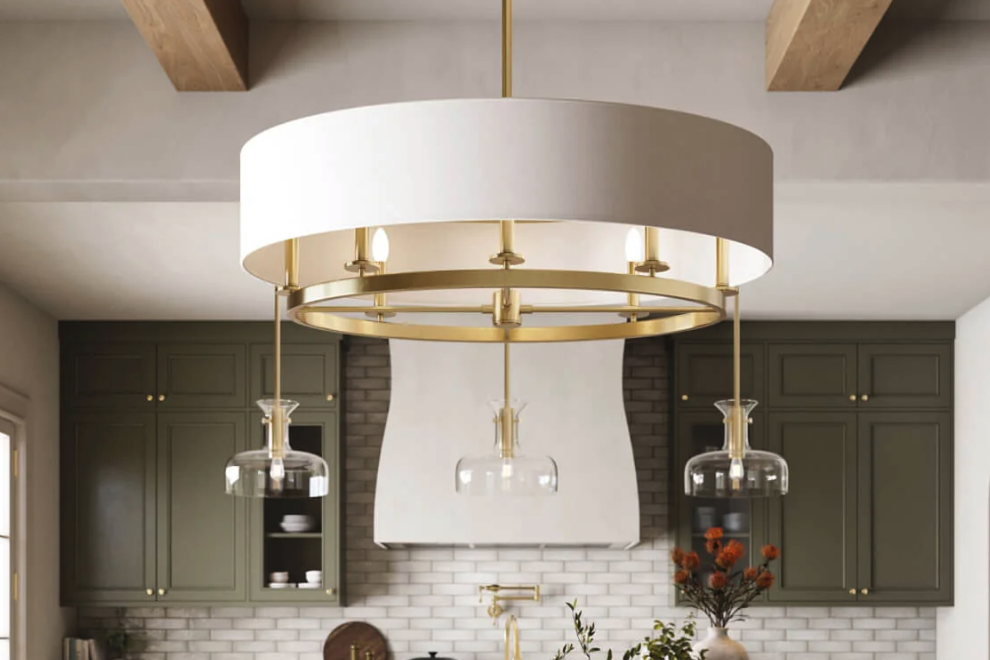
A common mistake is choosing a chandelier that’s either completely dwarfed by the table or so enormous it practically eats the room. A good rule of thumb is that the diameter of your chandelier should be about half to two-thirds the width of your dining table. For a square or round room, add the room’s length and width in feet, and that sum in inches should be the approximate diameter of your fixture. For example, a 10’x12’ room (22 feet total) would look good with a 22-inch diameter chandelier.
Style Matters: Matching Your Decor
Your chandelier should complement your existing decor, not fight with it. If your dining room is modern and minimalist, a rustic, ornate fixture might look out of place. Conversely, a sleek, contemporary piece might feel Stark in a traditional space.
- Modern/Contemporary: Think clean lines, geometric shapes, perhaps chrome or brushed nickel finishes.
- Traditional: Elaborate designs, crystal accents, brass or bronze finishes.
- Farmhouse/Rustic: Wood elements, wrought iron, exposed bulbs.
- Transitional: A blend of traditional and modern, often with simplified classical shapes.
Bulb Compatibility: LED Is Your Friend
Not all bulbs are dimmable, and even among dimmable bulbs, performance can vary. LED bulbs are generally the best choice these days. They’re energy-efficient, long-lasting, and most are now designed to dim smoothly with the right dimmer switch.
- Incandescent: Old-school, dim well, but use a lot of energy and generate heat.
- Halogen: Similar to incandescent but slightly more efficient.
- CFL (Compact Fluorescent Lamp): Can be tricky to dim smoothly and often have a limited dimming range. Sometimes flicker or hum at lower levels. Generally steer clear if smooth dimming is a priority.
- LED (Light Emitting Diode): Excellent choice. Energy-efficient, long lifespan, and designed for smooth dimming. Make sure the bulbs and the dimmer switch are explicitly labeled as “dimmable.”
Installation Considerations for Dimmable Chandeliers
Okay, you’ve picked out your perfect chandelier. Now, how do you get it up there and make it dimmable? This isn’t usually a DIY project for the faint of heart, especially if you’re not comfortable with electrical work.
Hiring a Professional Electrician
Unless you have solid experience with electrical wiring, hiring a licensed electrician is highly recommended. They can ensure the wiring is safe, up to code, and properly installed for dimming. They’ll also confirm your electrical box can handle the chandelier’s weight and power requirements.
The Dimmable Switch: More Than Just On/Off
This is a critical component for your dimmable chandelier experience. You can’t just put dimmable bulbs in a regular switch and expect them to dim. You need a compatible dimmer switch.
- Standard Rotary Dimmers: The classic dial. Simple and effective.
- Toggle Dimmers: A toggle switch with a sliding dimmer control.
- Rocker Dimmers: A push-button or rocker switch combined with a slider.
- Smart Dimmers: Integrate with smart home systems (e.g., Alexa, Google Home). Offer advanced features like scheduling, remote control, and scene setting. These often require a neutral wire connection, so check compatibility with your existing wiring.
Wiring Requirements
Dimmable switches can sometimes require an extra “neutral” wire connection that older homes might lack. An electrician can assess this and make any necessary adjustments. It’s also essential that the dimmer switch’s wattage rating matches or exceeds the total wattage of the bulbs in your chandelier.
Enhancing Ambiance Beyond the Chandelier
While your dimmable chandelier is the star of the show, other elements can further elevate your dining room’s ambiance. Think of it as creating a complete sensory experience.
Layered Lighting: Don’t Rely Solely on One Fixture
A chandelier provides general overhead light, but it’s rarely enough on its own to create true ambiance. Layered lighting involves combining different types of light sources.
- Sconces: Wall-mounted fixtures can add a soft glow and highlight artwork or architectural features.
- Table Lamps/Buffet Lamps: These provide ambient light at a lower level, adding warmth and intimacy.
- Candles: The original dimmer! Real or LED candles can’t be beaten for a romantic or cozy feel.
Color Temperature: The Hue of Your Light
Light isn’t just about brightness; it’s also about color. Measured in Kelvins (K), color temperature greatly influences mood.
- Warm White (2700K-3000K): A soft, yellowish light, similar to incandescent bulbs. Ideal for creating a cozy, inviting atmosphere in a dining room.
- Cool White (3500K-4100K): A more neutral, bluish-white light. Can feel sterile in a dining room, better suited for task lighting in kitchens or offices.
- Daylight (5000K-6500K): Very bright, blue-white light, good for areas where you need to see things clearly, but generally too harsh for a dining room.
For a dining room, aiming for warm white bulbs will usually give you the best results, especially when dimmed. It mimics the glow of candlelight and makes food look more appealing.
Reflective Surfaces: Bouncing Light Around
Mirrors, glass tabletops, and even shiny tableware can help bounce light around the room, making it feel brighter and more spacious, even when the chandelier is dimmed.
- Mirrors: A large mirror can almost double the perceived light in a room.
- Glassware and Crystal: Strategically placed decorative items can catch the light and add sparkle.
Maximizing Your Dimmable Chandelier’s Potential
Once everything is installed, it’s time to start playing around and discovering the full potential of your new lighting setup. Don’t be afraid to experiment.
Creating Different Lighting Scenes
Think about the various activities that happen in your dining room. You can pre-set or manually adjust your dimmer for each.
- Dinner Party: A slight dim for conversation, a warm glow to highlight the food.
- Casual Breakfast: Brighter, but still warm light to wake up the room.
- Romantic Dinner: Significantly dimmed, perhaps with additional candle or lamp light for intimacy.
- Homework/Working: The brightest setting, providing ample light without strain.
Cleaning and Maintenance
Regular cleaning will keep your chandelier sparkling and ensure its light output isn’t dulled by dust. Dust can accumulate on bulbs and surfaces, reducing their effectiveness and even posing a fire hazard in extreme cases.
- Dust Regularly: A feather duster or microfiber cloth works wonders.
- Deep Clean Occasionally: For crystal chandeliers, you might need a specialized cleaner or a solution of water and vinegar. Always power off the fixture and ensure it’s cool before cleaning.
- Check Bulbs: Replace any burnt-out bulbs promptly. If one bulb goes out, it can affect the overall balance and brightness of the fixture.
Addressing Common Dimmable Chandelier Questions
It’s natural to have questions when you’re dealing with something new or unfamiliar. Here are a few common ones that pop up.
“My Lights Hum When Dimmed. What’s Wrong?”
A slight hum can sometimes occur, especially with older, inductive dimmers or with certain LED/CFL bulbs that aren’t fully compatible. If it’s loud or persistent, it’s worth checking:
- Dimmer Compatibility: Ensure your dimmer is designed for the type of bulbs you’re using (e.g., “LED compatible”).
- Bulb Quality: Cheaper LED bulbs sometimes hum more.
- Wiring Issues: An electrician can check for loose connections or ground faults.
“My LED Bulbs Flicker When Dimmed.”
Similar to humming, flickering is often a compatibility issue between the LED bulbs and the dimmer switch.
- Dedicated LED Dimmer: Make sure you’re using a dimmer specifically designed for LED lights.
- Minimum Load: Some LED dimmers require a minimum wattage load to function correctly. If you have very few bulbs or low-wattage bulbs, the total wattage might be below the dimmer’s minimum.
- Bulb Quality: Again, better quality “dimmable” LED bulbs will perform more smoothly.
“Can I Use Smart Bulbs Instead of a Dimmable Switch?”
Yes, you absolutely can! Smart bulbs (like Philips Hue, Lifx, etc.) are a popular alternative. They contain their own dimming technology and are controlled via an app or smart home hub. You’d typically leave your wall switch on at all times, and control the brightness (and often color) through your smart device.
- Pros: Advanced features, often color-changing, no need to change the wall switch (unless you want a smart switch that integrates).
- Cons: Can be more expensive per bulb, might require a hub for full functionality, still need good quality bulbs for smooth dimming.
Choosing a dimmable chandelier for your dining room is a smart move that offers a lot of flexibility and aesthetic appeal. It’s about more than just light; it’s about control, mood, and making your dining space truly yours for every occasion. With careful planning, the right choices, and perhaps a little help from a professional, you’ll be enjoying perfectly lit meals and moments in no time.