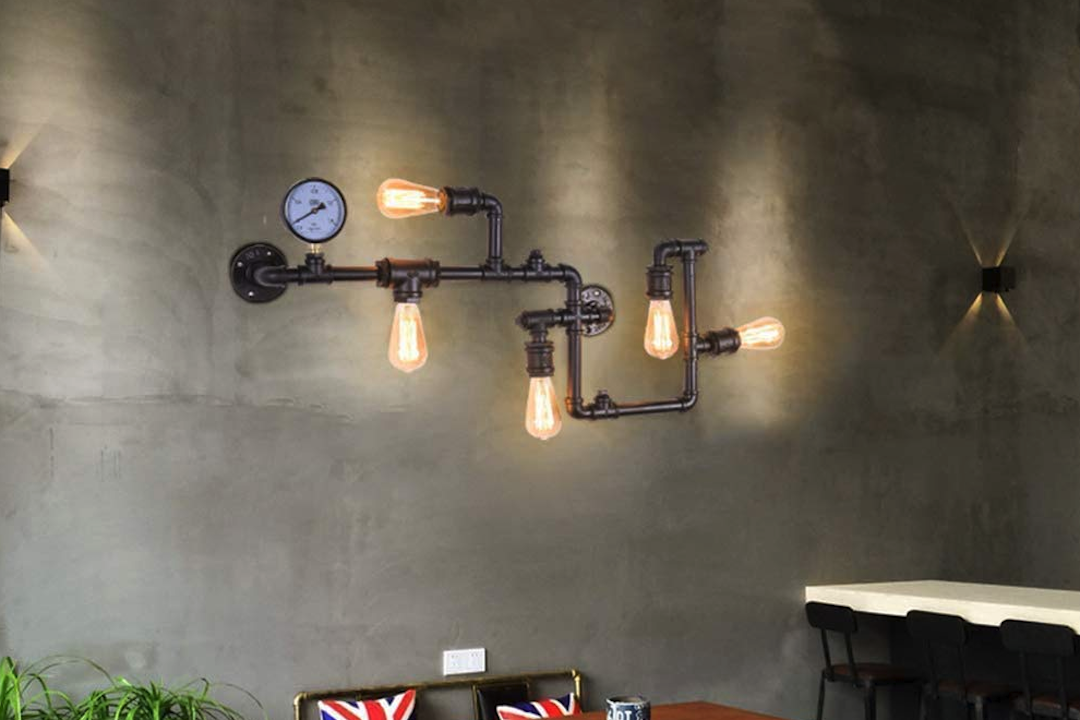
Rustic Industrial Water Pipe Wall Lamp for Dining Room
When considering lighting for your dining room, a ‘Rustic Industrial Water Pipe Wall Lamp’ is an excellent choice if you’re aiming for a distinctive, character-filled ambiance. This type of lamp combines the raw, unfinished aesthetic of industrial design with the warmth and practicality of rustic elements, creating a piece that’s both functional and a conversation starter. It’s particularly effective in spaces that lean towards an industrial, farmhouse, or modern rustic decor, providing a unique focal point and much-needed illumination.
Choosing this specific style of lamp Fasuhouse isn’t just about utility; it’s about making a statement. Dining rooms are often central to our homes, gathering places where we share meals and make memories. The lighting in this space plays a significant role in setting the mood, and a water pipe lamp delivers a specific kind of mood – one that feels grounded, authentic, and a little bit unconventional.
Beyond the Functional
A water pipe lamp isn’t merely a light source; it’s a piece of art. The use of actual or replicated metal pipes, often with exposed wiring conduits or vintage-style bulbs, transforms a utilitarian object into something visually compelling. This aesthetic choice speaks to an appreciation for craftsmanship and a departure from mass-produced, generic decor.
Creating an Atmosphere
The industrial nature of these lamps, often incorporating darker metals and exposed filaments, tends to cast a warmer, more inviting light. Paired with dimmer switches, you can easily adjust the intensity to suit various dining occasions, from bright family breakfasts to intimate dinner parties.
Durability and Longevity
Metal pipes are inherently robust. This style of lighting, by its very nature, suggests durability and a timeless quality. Unlike more delicate fixtures, a well-made water pipe lamp can withstand the hustle and bustle of a busy dining area.
Key Design Elements and Materials
The appeal of rustic industrial water pipe lamps lies in their unique blend of materials and construction. Understanding these elements helps in appreciating their aesthetic and functional advantages.
The Bones: Metal Piping
Typically, these lamps utilize black iron pipes, galvanized steel, or sometimes even copper for a warmer, more aged look.
Black Iron Pipes
These are the most common and often evoke the strongest industrial feel. Their dark, matte finish provides a striking contrast with lighter walls or wooden dining tables. They can be left natural for a raw look or given a protective clear coat.
Galvanized Steel
Offers a brighter, silver-gray appearance. This can be a good choice if you want to lighten the overall feel of the lamp while still maintaining the industrial edge. It also has excellent corrosion resistance.
Copper Piping
Less common, but when used, copper brings a beautiful, warm, reddish-brown hue that develops a rich patinawith age. It pairs exceptionally well with rustic woods and adds a touch of elegance to the industrial style.
The Stars: Edison Bulbs
The choice of light bulb is paramount in defining the character of these lamps. Edison-style bulbs are almost a signature element.
Exposed Filaments
These bulbs, with their visible, intricate filaments, emit a warm, orange-toned glow that perfectly complements the rustic industrial aesthetic. They’re designed to be seen and celebrated, rather than hidden behind a shade.
Dimmable Options
Given the strong light output of some bulbs, and the desire to create different moods, always opt for dimmable Edison bulbs. This allows you to fine-tune the ambiance of your dining space.
LED Alternatives
While traditional incandescent Edison bulbs are beautiful, LED versions are becoming increasingly popular. They offer the same aesthetic with significantly lower energy consumption and a much longer lifespan. Look for LED bulbs designed to mimic the vintage filament look.
The Foundation: Wall Mounts and Anchors
The mounting hardware is integral to both the safety and the appearance of the lamp. These often also maintain the industrial theme.
Backing Plates
Sometimes, the pipes are mounted directly to the wall. Other designs incorporate a circular or rectangular backing plate, often made of matching metal, which can provide a cleaner finish and conceal wiring.
Secure Anchoring
Given the weight of metal pipes, proper anchoring into wall studs or using heavy-duty wall anchors is crucial for safety and stability.
Placement and Integration in Your Dining Room
Where you place your water pipe lamp and how you integrate it with the rest of your decor will dictate its impact. It’s not just about illumination but about enhancing the overall design.
Above the Dining Table
This is arguably the most impactful placement. A pair of wall-mounted pipe lamps, placed on opposing walls, can create dramatic lighting over a long dining table.
Symmetrical Placement
For a balanced look, position two identical lamps equidistant from the ends of your dining table, ensuring the light spreads evenly.
Asymmetrical Arrangements
Consider a single, more elaborate pipe lamp on one wall as a sculptural element, perhaps paired with recessed lighting for overall ambient light.
On a Feature Wall
If your dining room has a particular wall you wish to highlight, a water pipe lamp can draw attention to it. This could be a brick wall, a textured accent wall, or one displaying artwork.
Highlighting Artwork
A smaller, perhaps single-bulb water pipe lamp can act as an accent light for a large piece of wall art or a collection of framed items.
Architectural Interest
If your dining room has architectural quirks, like exposed beams or an unusual alcove, a pipe lamp can enhance these features, adding to the room’s character.
Complementary Decor Styles
While inherently industrial and rustic, these lamps are surprisingly versatile and can blend with several decor styles.
Modern Farmhouse
This style is a natural fit. The warmth of rustic wood, cream walls, and natural textures find common ground with the raw charm of metal pipes.
Urban Loft
In a more contemporary, urban setting, a water pipe lamp can provide a grounding, authentic touch, particularly against concrete or exposed brick.
Eclectic Spaces
For those who love mixing periods and styles, a water pipe lamp can be a grounding element, bridging the gap between repurposed vintage finds and more contemporary pieces.
Practical Considerations Before Installation
Before you drill a single hole, there are several practical points to consider to ensure your water pipe lamp is both aesthetically pleasing and functionally sound.
Wiring and Electrical Requirements
This is a key area where planning ahead saves a lot of headaches. Unless you’re highly experienced with electrical work, it’s often best to consult or hire a qualified electrician.
Existing Wiring vs. New Runs
Are you replacing an existing wall sconce, meaning there’s already a junction box? Or are you planning to install the lamp on a wall with no existing electrical outlet? Running new wiring will be a more involved process.
Concealed vs. Exposed Wiring
Some designs incorporate the wiring within the pipe structure. Others intentionally expose portions of the wiring, sometimes encased in metal conduit for a more pronounced industrial look. Decide which aesthetic you prefer. If exposed, ensure all wiring is properly secured and compliant with electrical codes.
Switch Options
Will your lamp be controlled by a wall switch? Or do you prefer a pull-chain switch directly on the fixture itself? For dining rooms, a wall switch connected to a dimmer is usually the most practical and convenient option.
Size and Scale
The physical size of the lamp needs to be proportionate to your dining room and your dining table. A tiny lamp will get lost, while an oversized one can feel oppressive.
Room Dimensions
Measure your dining room. Consider the height of your ceilings and the length and width of your walls. A larger room can handle a more elaborate, multi-bulb pipe lamp.
Table Size
The lamp should complement your dining table. If you have a long, rectangular table, a pair of wall lamps might be appropriate. For a smaller, round table, a single, less sprawling design might be better.
Visual Weight
Remember that even if physically small, a dark metal pipe lamp can have significant visual weight due to its material and color. Balance this with other elements in the room.
Lumens and Light Output
Beyond aesthetics, the lamp needs to provide adequate light for dining.
Task Lighting and Ambient Lighting
For a dining room, you typically want a balance. Enough light for people to see their food clearly (task lighting), but also an overall pleasing glow for conversation (ambient lighting). Water pipe lamps, especially with exposed filaments, often excel at ambient and atmospheric lighting.
Supplementary Lighting
If your water pipe lamp is primarily decorative or casts a very warm, soft light, you might need additional lighting sources. This could include a central chandelier, recessed lights, or even table lamps on a sideboard.
Dimmer Compatibility
As mentioned, dimmers are crucial. Ensure your chosen bulbs and fixture are dimmer-compatible. This allows you to adjust the light output from bright to very subtle, adapting to any occasion.
Maintenance and Care for Your Industrial Lamp
Keeping your lamp looking its best is straightforward, thanks to the robust nature of its materials.
Regular Cleaning
Dust and grime can dull the metal and obscure the light.
Dusting
A soft, dry cloth or a duster is usually sufficient for regular dusting of the pipes and bulbs.
Wiping Down
For more stubborn marks, a lightly damp cloth followed by a dry one will work. Avoid harsh chemical cleaners, especially on unsealed metals, as they can cause discoloration or remove protective finishes.
Addressing Metal Finishes
Depending on the type of metal used, you might want to consider specific care.
Unsealed Iron
If your lamp uses unsealed, raw black iron, it may develop a light rust patina over time, which many find adds to the rustic charm. If you prefer to prevent this, a clear sealant can be applied.
Copper Patina
Copper naturally patinas, turning darker and sometimes greenish. If you like the aged look, do nothing. If you prefer the bright copper sheen, specialized copper cleaners can be used, but this is usually a personal aesthetic choice and not necessary for functionality.
Bulb Replacement
While Edison bulbs (especially LED versions) have a decent lifespan, you will eventually need to replace them.
Matching Bulbs
Always replace bulbs with the same type and wattage (or equivalent LED lumens) to maintain the lamp’s intended aesthetic and light output. Keep spare bulbs on hand.
Safety First
Always ensure the power is off at the circuit breaker before attempting to change a bulb to prevent electrical shock. Wear gloves if handling clear bulbs to avoid leaving fingerprints that can etch into the glass when the bulb heats up.
By carefully considering these aspects, you can successfully choose, install, and enjoy a rustic industrial water pipe wall lamp in your dining room, transforming it into a unique and inviting space. It’s an investment in character, functionality, and a touch of rugged charm.