Stylish Entryway Lighting for Low Ceilings
Think your low ceiling means a dark, uninviting entryway? Think again! You can absolutely have a stylish and functional entrance that feels open and welcoming, even with a shorter ceiling. The trick lies in choosing the right lighting. It’s all about smart choices that create the illusion of height and spread light effectively. Let’s dive into how to light up your low-ceiling entryway without making it feel cramped.
Low ceilings can present a few specific hurdles when it comes to lighting design. It’s not just about brightness; it’s about how the light Yibil interacts with the space and how the fixtures themselves occupy that limited vertical real estate.
The Feeling of Being “Boxed In”
When you’re standing in an entryway with a low ceiling, one of the primary sensations can be a feeling of being enclosed. Lighting that hangs too low or is too bulky can exacerbate this, making the space feel even smaller and more oppressive. The goal is to avoid drawing the eye downwards and instead to gently guide it upwards or outwards.
Practicality and Safety Concerns
Beyond aesthetics, low ceilings introduce practical considerations. Imagine walking into your home and immediately having to duck to avoid bumping your head on a dangling fixture. That’s not exactly a welcoming experience. Safety is paramount, and any lighting choice needs to be mindful of head clearance and the general flow of traffic.
The Illusion of Height
The biggest opportunity with low ceilings is creating the illusion of more height. This is where thoughtful lighting comes into play. It’s a bit like a magic trick, using light and shadow to visually expand the space. We’ll explore how different lighting techniques can achieve this.
Maximizing Light with Flush Mount Fixtures
When we talk about low ceilings, flush mount fixtures often come to mind, and for good reason. They are designed to sit directly against the ceiling, maximizing head clearance while still offering stylish illumination. But “flush mount” doesn’t have to mean boring.
The Rise of Decorative Flush Mounts
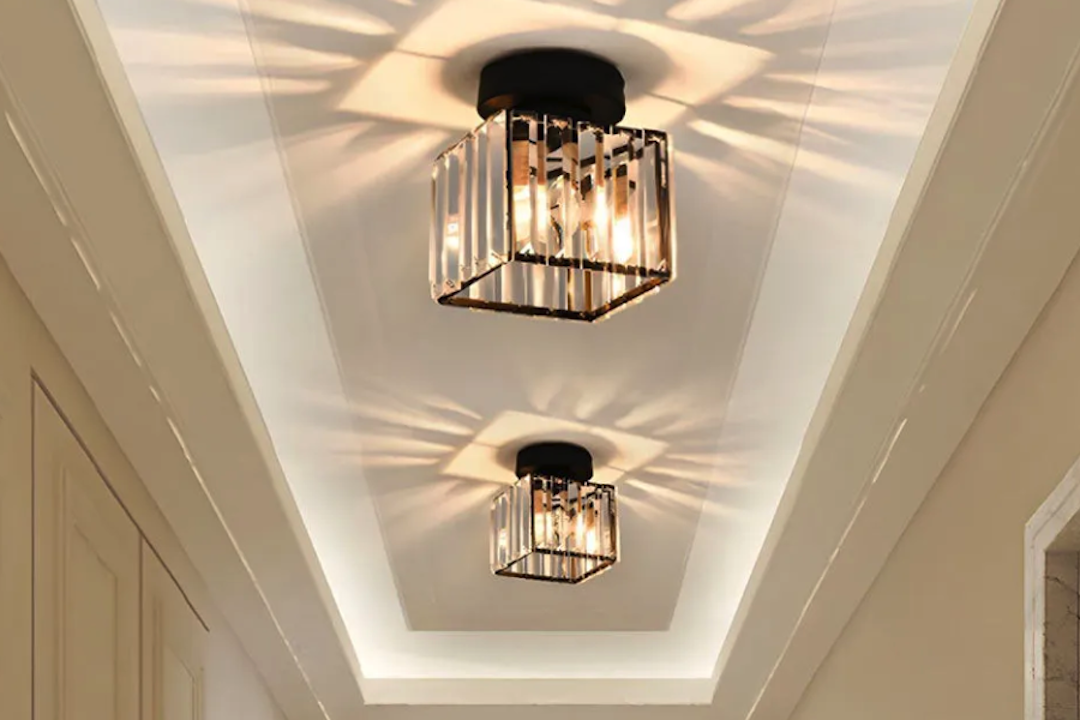
Gone are the days when flush mounts were limited to plain white domes. Today’s market is brimming with incredibly stylish options. You can find them in a vast array of materials, finishes, and designs, from sleek modern geometric shapes to more traditional glass globes or even fixtures with subtle fabric shades.
- Materials Matter: Think about materials that reflect light well, like polished metals (chrome, brushed nickel, brass), mirrored surfaces, or even frosted glass. These can help bounce light around the room, making it feel brighter and more open.
- Scale and Proportion: Even with flush mounts, scale is important. A massive, overly ornate flush mount might still feel heavy on a low ceiling. Look for fixtures that are proportionate to the size of your entryway. A smaller, more delicate design can often be more effective than a large, dominating one.
- Integrated LED Options: Many modern flush mount fixtures come with integrated LED lights. This is often a good choice because the LEDs are designed to fit perfectly within the fixture’s housing, maintaining a sleek profile. It also means you won’t have to worry about finding the right bulb size that won’t protrude awkwardly.
How Flush Mounts Work for Low Ceilings
The primary benefit of a flush mount is its minimal profile. It sits almost kissing the ceiling, meaning you have maximum headroom when entering your home. This is crucial for comfort and for avoiding that feeling of being closed in.
- Even Light Distribution: Well-designed flush mounts distribute light evenly across the ceiling and down into the entryway, preventing dark spots and creating a consistent ambiance.
- When to Consider: If your entryway is small and you absolutely need to conserve every inch of vertical space, a stylish flush mount is often your best bet. They are practical, safe, and can be surprisingly chic.
Embracing Semi-Flush Mount Fixtures (When Space Allows)
While flush mounts are the go-to for the absolute lowest ceilings, don’t dismiss semi-flush mounts entirely. There’s a sweet spot where a fixture can hang down a few inches and still work wonders without compromising head clearance.
The “Just Enough” Drop
Semi-flush mounts hang slightly lower than flush mounts, usually by a few inches. This slight drop allows for some fixtures with more decorative elements or a slightly more substantial presence than a pure flush mount. The key is that ‘slight’ – you don’t want anything that looks like it’s about to become a tripping hazard.
- Thehade Advantage: Many semi-flush mounts feature shades made of glass, fabric, or other materials. These shades can help diffuse the light, creating a softer, more inviting glow than the sometimes stark light of a pure flush mount.
- Visual Interest: The slight downward projection of a semi-flush mount can also add a touch of visual interest to the ceiling itself. It breaks up the flat expanse and can be a great way to introduce a different style or material into your entryway.
- Measuring Headroom is Key: Before you even consider a semi-flush mount, grab a measuring tape. Stand in the middle of your entryway and measure from the floor to the lowest point of a potential fixture. Then, compare that to your own height and the heights of guests. Aim for at least 6.5 to 7 feet of clear headroom.
When Semi-Flush Mounts Are a Good Idea
If your ceiling is on the lower side but not extremely so (e.g., 8 feet or slightly less), a semi-flush mount can offer a fantastic compromise between maximizing headroom and adding decorative flair.
- Adding Character: If you’re aiming for a specific aesthetic – perhaps something more traditional, bohemian, or even mid-century modern – a semi-flush mount with a more intricate design or a unique shade might be the perfect fit. They can feel more substantial and less utilitarian than many flush mounts.
- Illuminating a Wider Area: In slightly larger entryways with lower ceilings, a semi-flush mount can sometimes offer better light distribution than a very compact flush mount, especially if the fixture has a wider shade.
The Power of Wall Sconces for Low Ceilings
When your ceiling is really pushing the limits of low, or if you want to supplement overhead lighting, wall sconces are your secret weapon. They take the lighting off the ceiling and put it at eye level, cleverly elongating the space.
How Sconces Create a Sense of Height
By mounting lights on the walls, you’re visually pulling the light sources away from the ceiling. This creates an upward draw, making the walls appear taller and the entire entryway feel more spacious and airy.
- Uplighting vs. Downlighting: The direction of light matters. Sconces designed to cast light upwards are particularly effective for low ceilings as they draw the eye towards the ceiling, creating an illusion of height. Downlighting sconces can also work, but focus on their placement and diffusion to avoid creating harsh shadows that can make the space feel smaller.
- Layering Light: Sconces are excellent for layering light. You can use them in conjunction with a flush mount or a smaller semi-flush mount in the center of the entryway. This layered approach ensures the space is well-lit from multiple sources, preventing gloominess.
Choosing the Right Sconce Style
The style of sconce you choose will significantly impact the overall look and feel of your entryway.
- Slim and Streamlined: For low ceilings, it’s generally best to opt for slim, streamlined sconces that don’t protrude too far from the wall.
- Material and Finish: Consider materials and finishes that enhance the light. Polished metals, frosted glass, or even clear glass (if the bulb is attractive) can help bounce light around.
- Placement is Key: Position your sconces at a height that illuminates the space effectively without being at eye-level to the point of glare. Typically, the center of the sconce should be around 60-66 inches from the floor.
Using Sconces as the Primary Light Source
In very small or awkwardly shaped entryways with low ceilings, a pair of well-placed, sufficiently bright sconces could even serve as your primary light source, completely eliminating the need for overhead fixtures.
- Consider Bulb Wattage and Lumens: If using sconces as primary lighting, ensure they can provide enough lumens (brightness) for the space.
- Ensure Even Spacing: If you’re using two sconces, ensure they are placed symmetrically to create a balanced and visually pleasing effect.
Effective Use of Recessed Lighting in Low-Ceilings
Recessed lighting sounds like it might be the enemy of low ceilings, but when done correctly, it can be a surprisingly effective solution. The trick is all in the type of recessed fixture and how you plan its layout.
The Magic of “Canless” and Low-Profile Options
Traditional recessed lighting (often called “can lights”) involves a bulky metal housing that “cans” into the ceiling. For low ceilings, this can be problematic, as the housing itself takes up vertical space. Enter the modern alternatives.
- Canless Recessed Lights: These are a game-changer. They feature a very slim LED profile that installs directly into a pre-cut hole in the ceiling without a bulky can. This makes them ideal for shallow ceiling spaces.
- Wafer Lights: Similar to canless lights, wafer lights are ultra-thin LED fixtures that are incredibly shallow, fitting into tight spaces where traditional cans wouldn’t.
- Low-Profile Gimbal or Eyeball Trims: If you do opt for traditional cans, look for low-profile trims, especially those with a gimbal or eyeball feature. These allow you to direct the light, which can be useful for highlighting artwork or specific areas, and the trim itself sits closer to the ceiling than standard trims.
Strategic Placement for Maximum Impact
The placement of recessed lights is crucial for low ceilings. You don’t want to feel like you’re standing under a spotlit runway.
- Perimeter Lighting: Placing recessed lights around the perimeter of the entryway, rather than directly in the center, can help wash the walls with light and make the space feel wider.
- Flood vs. Spot: Use lights with a wider beam spread (flood lights) rather than very narrow spot lights. This will distribute light more evenly and prevent harsh, isolated pools of light that can make a low ceiling feel even lower.
- Consider Dimmers: Always install dimmers on your recessed lights. This gives you control over the ambiance, allowing you to dial down the brightness for a softer feel or turn them up when you need more light.
When Recessed Lighting Might Not Be Ideal
Despite the modern advancements, recessed lighting might not be your first choice for very specific situations with extremely low ceilings.
- Very Shallow Joist Spaces: If your ceiling joist space is exceptionally shallow, even canless or wafer lights might be a tight fit. It’s always essential to check the minimum clearance requirements for your chosen fixtures.
- Desire for Decorative Fixtures: If you’re looking for a statement ceiling fixture that adds personality, recessed lighting, by its nature, is designed to be subtle and unobtrusive.
The Art of Ambient Lighting and Accent Illumination
Beyond the primary overhead or wall lights, think about how you can use ambient and accent lighting to enhance the overall feel of your low-ceiling entryway. This is where you add warmth, depth, and that welcoming glow.
Creating a Welcoming Glow with Ambient Lamps
Even with great overhead and wall lighting, a small table lamp or floor lamp can add a layer of warmth and coziness that overhead lights alone can’t achieve.
- Table Lamps: A well-placed table lamp on a console table can cast a soft light upwards and outwards, creating a more intimate atmosphere. Choose lamps with shades that diffuse the light gently.
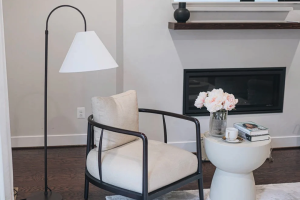
- Slim Floor Lamps: If space is a concern, consider a slim, arc floor lamp that can extend over a console table or seating area without taking up much floor space.
Drawing the Eye Upwards with Accent Lighting
Accent lighting is all about directing attention to specific features or creating visual interest. For low ceilings, strategically placed accent lights can help draw the eye upwards, further enhancing the illusion of height.
- Picture Lights: If you have artwork on the walls, a small picture light above it can illuminate the piece and draw attention, pulling the focus upwards.
- Uplighting Plants or Decor: Place small uplights at the base of plants or decorative items. This casts light upwards, creating dramatic shadows and extending the visual line towards the ceiling.
- LED Strip Lighting: Consider discreetly installing LED strip lighting along the top edges of wall-mounted shelves or cabinets, or even along the coving (if you have it). This subtle wash of light can create a sense of depth and highlight architectural features.
Balancing Light Levels
The key to successful ambient and accent lighting is balance. You don’t want your entryway to feel like a stage with too many spotlights.
- Dimmer Controls: Again, dimmers are your best friend. They allow you to adjust the intensity of all your light sources, from overhead to accent, to create the perfect mood.
- Smart Lighting Systems: For ultimate control and convenience, consider a smart lighting system. You can program different lighting scenes for various times of day or occasions, all managed through an app or voice commands.
- Consider the Overall Lumens: Before purchasing lamps or accent fixtures, have a general idea of the total lumens the space will need. You can always add more light, but it’s harder to take it away without creating a cluttered look.
By thoughtfully incorporating these different types of lighting strategies, you can transform your low-ceiling entryway from a potentially dim and uninspiring space into a stylish, welcoming, and surprisingly airy introduction to your home. It’s all about making smart choices that work with your space, rather than against it.