Enhance Your Corridor with a Luxurious Alabaster Stone Wall Sconce
Here is an article presented in the style of a Wikipedia editor, focusing on factual information and avoiding excessive embellishment.
Enhancing Hallways with Alabaster Stone Wall Sconces
Wall sconces, as a form of lighting, have long been employed to illuminate spaces and contribute to a room’s aesthetic. When considering the materials and design of these fixtures, alabaster stone presents a unique option, particularly for enhancing the ambiance of hallways. This article will explore the characteristics of alabaster, its application in wall sconces, and the considerations for incorporating them into hallway designs.
Alabaster is a mineral, typically composed of gypsum or calcite. It is known for its fine-grained texture and translucency, which allows light to pass through it. This translucency is a key factor in its suitability for lighting applications.
Composition and Varieties of Alabaster
There are two primary types of alabaster:
- Gypsum Alabaster: This is calcium sulfate dihydrate (CaSO₄·2H₂O). It is softer and more soluble in water than calcite alabaster. This variety is often found in sedimentary rock formations.
- Calcite Alabaster: This is calcium carbonate (CaCO₃), also known as travertine or onyx marble when formed in stalactites or stalagmites. It is harder and less soluble than gypsum alabaster.
The alabaster used in sconces is typically selected for its aesthetic qualities, including its subtle color variations and the way it interacts with light.
Physical Properties of Alabaster
The physical properties of alabaster contribute to its appeal and functionality as a lampshade material:
- Translucency: The inherent ability of alabaster to diffuse light is its most significant characteristic for lighting. Unlike opaque materials, it allows light to penetrate, creating a soft, diffused glow. This quality can transform harsh, direct light into a more gentle illumination.
- Texture: Alabaster typically possesses a smooth, fine-grained texture. This surface quality can be manipulated through polishing, resulting in varying degrees of sheen.
- Coloration: While often perceived as white, alabaster can exhibit a range of subtle colors, including cream, pale yellow, pink, and gray, often with natural veining. These natural variations add to its unique character.
- Workability: Both gypsum and calcite alabaster can be carved and shaped with relative ease compared to many hard stones, making them suitable for ornamental designs. However, it is important to note that gypsum alabaster is more fragile and susceptible to damage from moisture.
Historical Context of Alabaster in Art and Architecture
Alabaster has a long history of use. Ancient civilizations, including the Egyptians and Romans, utilized alabaster for sculptures, decorative objects, and architectural elements. Its ability to be carved into intricate forms and its luminous quality made it a favored material for adding a sense of elegance and refinement. In later periods, it continued to be employed in religious art, tomb effigies, and decorative embellishments. The use of alabaster in lighting fixtures, such as sconces, is a modern application building upon these historical traditions, adapting its natural properties to functional design.
The Role of Wall Sconces in Hallway Design
Hallways, often characterized by their linear nature and transitional function, can benefit significantly from thoughtful lighting design. Wall sconces offer a way to layer light, provide ambient illumination, and contribute to the overall aesthetic.
Functional Illumination in Hallways
Hallways serve as primary circulation routes within a building. Adequate lighting is essential for safety, navigation, and comfort.
- Safety and Navigation: Well-lit hallways reduce the risk of accidents. Sconces, strategically placed at intervals, can eliminate dark corners and provide consistent illumination along the path. This is particularly important in areas with changes in floor level or obstacles.
- Ambient Lighting: Beyond functional illumination, sconces contribute to the creation of a welcoming atmosphere. They provide a soft, diffused light that can make a hallway feel less stark and more inviting. This is in contrast to overhead lighting, which can sometimes feel more utilitarian.
- Task Lighting (Indirect): While not primary task lighting, the diffused light from alabaster sconces can indirectly assist with viewing details, such as artwork or decorative elements on hallway walls.
Aesthetic Contribution of Sconces
Wall sconces are not solely functional; they also serve as design elements that can significantly impact the visual appeal of a hallway.
- Architectural Enhancement: Sconces can accentuate architectural features. Their placement can draw attention to moldings, doorways, or decorative wall treatments. The materials and design of the sconce itself become an integral part of the wall’s visual composition.
- Creating Mood and Ambiance: The type of light a sconce emits directly influences the mood of a space. The soft, diffused light characteristic of alabaster sconces can contribute to a sense of calm and sophistication. This contrasts with brighter, more direct lighting, which might feel less conducive to a relaxed environment.
- Complementing Interior Style: The design of a wall sconce can align with various interior design styles, from traditional and transitional to contemporary. The choice of materials, silhouette, and finish allows for integration with the broader decorative scheme of the home or building.
Types of Hallway Lighting and Sconce Placement
A well-lit hallway often employs a combination of lighting types, with sconces playing a specific role.
- Layered Lighting: Effective lighting design involves layering different sources to achieve both functionality and atmosphere. This typically includes ambient lighting (often from overhead fixtures), accent lighting (to highlight specific features), and task lighting (for specific activities). Wall sconces primarily contribute to ambient lighting, but their indirect nature also adds a subtle layer of accentuation to the walls themselves.
- Strategic Placement: The placement of hallway sconces is crucial for even illumination and visual balance. They are typically mounted at eye level or slightly above, extending outward from the wall. Considerations include the width of the hallway, the length of the corridor, and the presence of doorways or furniture. Spacing should be consistent to avoid pools of light and shadow.
Alabaster Sconces: A Fusion of Material and Design
The use of alabaster in wall sconces brings together the natural qualities of the stone with the functional requirements of lighting. This combination can create fixtures of significant visual and atmospheric impact.
The Translucent Quality of Alabaster in Lighting
The defining characteristic of alabaster for use in lighting is its translucency. This property allows for a unique interaction with light.
- Soft Diffusion: Unlike clear glass or metal shades that might project harsh shadows, alabaster acts as a natural diffuser. It softens the light source, spreading it evenly and reducing glare. This creates a more comfortable and visually pleasing illumination. Imagine a lamp with a hard shade creating sharp
lines of light and shadow, versus an alabaster shade that smooths these edges into a gentle gradient.
- Internal Glow: When illuminated from within, alabaster appears to possess an internal radiance. The light permeates the stone, highlighting its subtle veining and coloration. This effect can make the sconce itself appear as a luminous object, contributing to its decorative value even when unlit.
- Varied Light Intensity: The density and thickness of the alabaster used in a sconce can influence the amount of light that passes through. Thicker sections will diffuse light more intensely, while thinner areas might allow more light to escape. This variation can be used to create visual interest within the sconce itself.
Design Formats for Alabaster Sconces
Alabaster sconces come in a variety of forms, each offering a distinct aesthetic.
- Simple Cylindrical or Domed Shades: These classic designs focus on the material itself. A smooth, polished alabaster cylinder or dome provides an unadorned display of the stone’s translucency and subtle color. These are often mounted on simple metal bases.
- Carved and Sculpted Designs: More ornate sconces feature carved alabaster shades. This allows for detailed patterns, geometric motifs, or even figurative elements to be incorporated. The carving can further manipulate how light interacts with the stone, creating patterns of light and shadow.
- Integrated Designs: In some cases, the alabaster might be integrated more seamlessly with the fixture’s metalwork, forming a cohesive unit. This can involve custom-shaped alabaster pieces that nestle within or are affixed to metal frames.
Factors Influencing Light Quality and Hue
The appearance of light emitted by an alabaster sconce is influenced by several factors:
- Bulb Type and Color Temperature: The type of light bulb used (e.g., LED, incandescent) and its color temperature (measured in Kelvin) will significantly affect the hue of the light. Warm white bulbs (around 2700K) will produce a more golden glow, while cooler white bulbs (around 4000K) will cast a crisper light.
- Color of the Alabaster: The natural coloration of the alabaster itself will subtly tint the light. Cream-colored alabaster will cast a warmer light than a pale gray variety.
- Thickness and Finish of the Alabaster: As mentioned, the thickness of the alabaster will affect light diffusion. The finish (e.g., honed, polished) will also play a role in how light reflects off the surface. A polished finish will offer a more reflective sheen than a honed surface.
Considerations for Installing Alabaster Sconces in Hallways
The installation and maintenance of alabaster sconces require specific considerations to ensure both their longevity and optimal performance.
Choosing the Right Location and Spacing
Proper placement is key to both the functionality and aesthetic impact of hallway sconces.
- Consistent Intervals: For a uniform lighting effect, sconces should be spaced at consistent intervals along the hallway. The spacing should be sufficient to prevent dark patches but not so close as to create an overly bright or cluttered appearance. A common guideline is to place them roughly one-third of the way from each end of the hallway, and then in equal intervals between.
- Height Considerations: The optimal height for wall sconces is generally at eye level, typically between 60 and 72 inches from the floor. This ensures the light source is not directly in the line of sight, minimizing glare, while still effectively illuminating the surrounding area. Adjustments may be necessary based on ceiling height and the presence of furniture.
- Proximity to Architectural Features: Consider how sconces will interact with existing architectural elements such as doorways, windows, or artwork. Placement can be used to highlight or avoid competing with these features. For instance, placing a sconce near a piece of art can draw attention to it, while placing one directly opposite a doorway might be less effective.
Electrical Requirements and Safety
As with any electrical fixture, safety and adherence to electrical codes are paramount.
- Professional Installation: It is strongly recommended that alabaster sconces be installed by a qualified electrician. This ensures the wiring is done correctly, meets safety standards, and is compatible with the home’s electrical system. Improper installation can pose fire hazards and damage the fixture.
- Wiring and Fixture Compatibility: Ensure the sconce’s wiring is compatible with the existing electrical infrastructure. The fixture should be properly grounded, and circuit loads should not be exceeded.
- Light Bulb Wattage Limits: Always adhere to the wattage limitations specified by the sconce manufacturer. Exceeding these limits can lead to overheating of the fixture and the alabaster itself, potentially causing damage or posing a fire risk. Even with LED bulbs, which generate less heat, it is important to check the manufacturer’s recommendations.
Maintenance and Care of Alabaster
Alabaster, while beautiful, requires specific care to maintain its appearance.
- Gentle Cleaning: Alabaster is a relatively soft material and can be scratched or damaged by abrasive cleaners. Use a soft, damp cloth for dusting. For tougher marks, a mild, pH-neutral soap can be used diluted in water, followed by a thorough rinse with a clean, damp cloth. Dry immediately with a soft cloth.
- Avoiding Moisture: Gypsum alabaster, in particular, is susceptible to water damage. Avoid prolonged exposure to moisture. If using sconces in areas with higher humidity, ensure adequate ventilation and be diligent with cleaning.
- Handling with Care: Due to its natural properties, alabaster can be brittle. Handle the sconces with care during installation and cleaning to prevent chipping or breakage.
Styles and Materials Complementary to Alabaster Sconces
Integrating alabaster sconces into a hallway design involves considering how they will interact with other materials and stylistic elements.
Metal Finishes and Their Impact
The metal components of a sconce play a significant role in its overall appearance.
- Bronze and Brass: These warm-toned metals often complement the natural cream or ivory hues of alabaster, creating a classic and sophisticated look. Polished brass can add a touch of glamour, while brushed bronze offers a more subdued elegance.
- Nickel and Chrome: Cooler-toned metals like brushed nickel or polished chrome can provide a more modern or transitional aesthetic. They can create a crisp contrast with the alabaster, making the stone appear brighter.
- Iron and Black Finishes: Matte black or dark iron finishes can lend a more dramatic or contemporary feel. They can make the alabaster stand out as a luminous element against a darker backdrop. The choice of metal finish should align with other hardware and fixtures in the hallway and surrounding areas.
Wood Accents and Textures
Wood elements in a hallway can create a sense of warmth and natural beauty that pairs well with alabaster.
- Walnut and Dark Woods: Rich, dark wood tones can offer a luxurious contrast to the luminous quality of alabaster. This combination can evoke a sense of classic elegance and depth.
- Light Woods and Natural Finishes: Paler wood finishes, such as oak or maple, can create a lighter, more airy feel. They can enhance the natural, earthy aspect of alabaster.
- Integration with Flooring and Furniture: Consider the wood used in flooring, stair railings, or any hallway furniture. Aim for a harmonious blend of wood tones and textures. For example, if the hallway features dark wood paneling, a brass or bronze sconce with alabaster might be a suitable complement.
Wall Treatments and Color Palettes
The backdrop against which the alabaster sconces are set will influence their visual impact.
- Neutral Color Palettes: A light, neutral wall color such as off-white, cream, or soft gray can enhance the natural glow of alabaster, allowing the material to become a focal point.
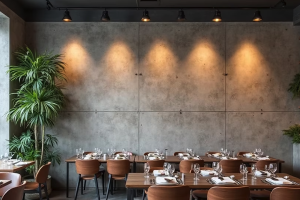
- Textured Wall Coverings: Applied textures, like subtle wallpaper patterns or Venetian plaster, can add depth and visual interest. The interplay of light from the alabaster sconce across a textured surface can create dynamic shadows and highlights, adding richness to the wall’s appearance.
- Bold Color Choices: In some design schemes, a bolder wall color can be used as a dramatic backdrop. A deep navy or emerald green, for example, could make a lighter alabaster sconce appear to glow with an almost ethereal quality. However, consider the overall balance to avoid overwhelming the space.
The Enduring Appeal of Alabaster in Corridor Illumination
The use of alabaster stone wall sconces in hallways is not merely a trend but a choice that leverages natural material properties for both aesthetic and functional benefit.
Timeless Elegance and Sophistication
Alabaster, with its inherent translucency and subtle coloration, possesses a timeless quality. It transcends fleeting design fads, offering an enduring sense of elegance.
- Natural Beauty: The organic nature of alabaster, with its unique veining and subtle color variations, provides a visual richness that synthetic materials often struggle to replicate. This natural beauty contributes to a sense of grounded luxury.
- Soft, Inviting Light: The diffused light emitted by alabaster sconces creates an ambiance that is both welcoming and sophisticated. It avoids the harshness of direct lighting, fostering a sense of calm and comfort in a transitional space.
- Connection to Heritage: The historical use of alabaster in art and architecture imbues it with a sense of heritage. Incorporating it into contemporary design can feel like a subtle nod to timeless craftsmanship and enduring beauty.
Versatility in Design Application
Despite its inherent elegance, alabaster sconces can be surprisingly versatile.
- Adaptable to Various Styles: As discussed, alabaster sconces can be designed to complement a wide range of interior styles, from traditional to contemporary. The choice of metal finish, fixture shape, and the specific type of alabaster can tailor the sconce to the desired aesthetic.
- Harmonizing Element: In a hallway that features a mix of materials and design elements, alabaster sconces can act as a cohesive element, bridging different textures and finishes. Their neutral base and soft light can tie together disparate design components.
- Creating a Sensory Experience: The combination of visual appeal (the luminous stone) and tactile quality (the smooth, cool surface) contributes to a multi-sensory experience. This depth of engagement elevates them beyond mere light fixtures.
Illuminating Circulation Spaces Effectively
Beyond their aesthetic contributions, alabaster sconces fulfill the fundamental need for effective hallway illumination.
- Balanced and Diffused Light: They provide a comfortable level of ambient light that ensures safe passage without creating glare or harsh shadows. This is essential for a space primarily used for transit.
- Reducing Reliance on Overhead Lighting: By supplementing or, in some cases, replacing harsh overhead lighting, alabaster sconces can contribute to a more nuanced and inviting lighting scheme. This allows for greater control over the mood and atmosphere of the hallway.
- Enhancing the Perception of Space: Well-placed and appropriately scaled sconces can visually widen or lengthen a hallway, making it feel more open and less confined. The gentle diffusion of light can also make a space feel larger and more airy.
In conclusion, alabaster stone wall sconces offer a compelling option for enhancing hallway design. Their inherent translucency, combined with thoughtful design and placement, can transform a utilitarian passage into a space of understated elegance and inviting illumination. The careful consideration of material interactions, electrical requirements, and maintenance ensures that these fixtures remain a source of beauty and functionality for years to come.