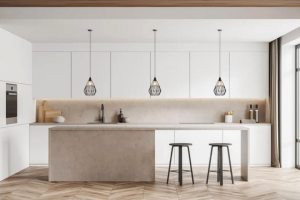
Enhance Cafe Ambiance with Concrete Pendant Lights
Concrete pendant lights, a relatively recent entrant into the design lexicon, offer a distinct aesthetic and functional contribution to café environments. This article delves into the various aspects of their application, from material properties to practical considerations, for interior designers and café owners.
Concrete, traditionally associated with structural integrity and heavy construction, has found a new niche in interior design due to advancements in material science and manufacturing techniques. Its inherent characteristics provide a unique foundation for lighting fixtures.
Composition and Properties of Concrete in Lighting
The concrete used for pendant lights is typically a high-performance, lightweight mixture. It often incorporates fine aggregates, specific cement types, and sometimes admixtures to achieve desired strength, density, and surface finish. This differs significantly from the concrete used in building foundations, which prioritizes load-bearing capacity. The resultant material exhibits:
- Durability: Concrete, even in a refined form, is a robust material, resistant to scratches and impact, making it suitable for high-traffic commercial spaces like cafes.
- Thermal Mass: While not a primary function for light fixtures, concrete possesses a degree of thermal mass, meaning it can absorb and slowly release heat. This is more relevant in larger concrete structures but contributes to the material’s overall stability.
- Sound Absorption: Concrete, particularly if formulated with a porous finish or specific aggregate distribution, can offer minor acoustic benefits, slightly dampening sound within a space. This is a subtle effect but contributes to a more comfortable café ambiance.
Aesthetic Versatility of Concrete
Concrete’s raw, unadorned surface is its primary aesthetic appeal. It embodies a brutalist elegance that can complement various design styles.
- Brutalist Influence: The material naturally leans into a brutalist aesthetic, characterized by exposed raw materials and a stripped-down functionality. This approach prioritizes honesty of material.
- Industrial Chic: Concrete is a cornerstone of industrial design, aligning with exposed pipework, metal accents, and other utilitarian elements. It provides a foundational texture that grounds the space.
- Minimalist Compatibility: Its understated nature makes it a natural fit for minimalist designs, where simplicity and clean lines are paramount. The absence of elaborate ornamentation allows the material itself to be the decorative element.
- Contrasting Textures: Concrete’s coarse, often matte finish provides a compelling contrast to smoother, more reflective materials such as glass, polished metal, or high-gloss ceramics. This textural interplay adds depth and visual interest to a café interior.
Design Integration: Incorporating Concrete Pendants into Café Aesthetics
The successful integration of concrete pendant lights into a café’s design requires careful consideration of scale, placement, and complementary elements. They are not merely light sources but sculptural components that contribute significantly to the overall narrative of the space.
Complementary Design Elements
When incorporating concrete pendant lights, consider how they interact with other materials and textures within the café. They can act as a bridge between different design elements or a focal point.
- Wood: Concrete and wood form a classic pairing. The warmth and organic texture of wood, whether in flooring, tabletops, or wall panels, effectively softens the perceived austerity of concrete. This combination creates a balanced aesthetic.
- Metal: Exposed metalwork, such as steel beams, brass accents, or wrought iron furniture, directly complements the industrial qualities of concrete. The interplay between varied metallic finishes and the matte concrete surface adds visual depth.
- Glass: Transparent or frosted glass elements in windows, partitions, or display cases offer a visual lightness that counterbalances the perceived weight of concrete. The reflective qualities of glass can also play with the light emitted by the pendants.
- Textiles: Soft furnishings, such as upholstered seating, cushions, or drapery, introduce comfort and absorb sound, mitigating any harshness associated with concrete. The choice of textile color and pattern can further refine the café’s aesthetic.
Placement and Scale
The impact of concrete pendant lights is heavily influenced by their careful placement and appropriate scale. These considerations are critical to achieving both functional illumination and a cohesive design.
- Over Tables and Bar Counters: Dropping pendants directly over individual tables or along the length of a bar counter provides localized task lighting, highlighting the surfaces where food and drinks are served. This creates intimate zones within a larger space.
- Varying Heights: Employing pendants at different heights introduces visual dynamism. A cluster of three pendants, for example, might feature one hanging lower than the others, creating a waterfall effect of light and form.
- Grouping and Clusters: Instead of solitary fixtures, grouping multiple concrete pendants, perhaps in varying sizes or shades of concrete, can create a more substantial visual impact. This can define an eating area or create a dramatic focal point.
- Scale in Relation to Space: A small, delicate concrete pendant may be lost in a large, high-ceilinged café, while an oversized fixture might overwhelm a compact seating area. Assess the dimensions of the room and the visual weight of other elements before selecting fixture sizes.
Lighting Functionality: Beyond Aesthetics
While concrete pendant lights are aesthetically distinctive, their primary utility remains illumination. Their design can influence the quality and direction of light, impacting the practical experience of café patrons.
Light Distribution Characteristics
The material properties and form of concrete pendants dictate how light is distributed within a space. This is a crucial factor in achieving the desired ambiance.
- Directed Downlight: Many concrete pendants, due to their opaque nature, provide a focused downward illumination. This creates pools of light on tables, ideal for dining and conversation, promoting a sense of intimacy.
- Absence of Glare: The solid, non-reflective surface of concrete typically prevents direct glare from the bulb, contributing to a more comfortable visual environment for patrons. The light source is often recessed or shielded within the concrete form.
- Warm vs. Cool Light Temperatures: The choice of light bulb temperature (measured in Kelvin) significantly affects the mood. Warmer temperatures (2700K-3000K) evoke a cozy, inviting atmosphere often preferred in cafes, while cooler temperatures (4000K+) are more suited for task-oriented environments.
- Dimming Capabilities: Implementing dimmable lighting allows café owners to adjust the intensity of illumination throughout the day, transitioning from brighter daytime settings to more subdued evening ambiances. This flexibility enhances the perceived comfort of the space.
Energy Efficiency and Bulb Selection
Modern lighting design prioritizes energy efficiency without compromising aesthetic or functional goals. Concrete pendant lights are compatible with various energy-saving bulb types.
- LED Bulbs: Light Emitting Diodes (LEDs) are the industry standard for energy efficiency, offering long lifespans and significantly reduced energy consumption compared to incandescent or halogen bulbs. They are available in a wide range of color temperatures and brightness levels.
- Dimmable Options: Many LED bulbs are now dimmable, allowing for precise control over light levels and further energy savings when full illumination is not required. Ensure that both the bulb and the fixture’s wiring are compatible with dimming systems.
- Lumens and Wattage: Focus on lumen output (brightness) rather than wattage (energy consumption) when selecting LED bulbs. A higher lumen count indicates a brighter light. The equivalent wattage will be significantly lower than traditional bulbs.
- Beam Angle: Consider the beam angle of the bulb. A narrower beam angle will provide a more focused spot of light, while a wider beam angle will spread light more broadly. This choice should align with the specific task or atmospheric intention for the pendant.
Installation and Maintenance Considerations
The longevity and aesthetic appeal of concrete pendant lights depend on proper installation and routine upkeep. These practical considerations are as important as the initial design choices.
Installation Process
While the installation of pendant lights generally follows standard electrical practices, the weight of concrete fixtures necessitates specific attention.
- Structural Support: Due to their weight, concrete pendant lights often require robust ceiling anchors or direct attachment to ceiling joists. Standard electrical boxes may not be sufficient to bear the load. Consult with a qualified electrician to ensure safe installation.
- Wiring and Electrical Codes: All electrical work must comply with local building codes and be performed by a certified electrician. This includes proper wire gauge selection, grounding, and junction box installation.
- Adjusting Height: Many pendant lights offer adjustable cable lengths, allowing for customization of hanging height. This adjustment is typically performed during installation and can be fine-tuned to achieve the desired visual effect and light distribution.
- Leveling: Ensuring that pendants hang perfectly level is critical for a polished aesthetic. This may involve careful measurement and adjustment of mounting hardware.
Care and Cleaning
Concrete’s robust nature generally means low maintenance, but specific cleaning practices will preserve its appearance.
- Dusting: Regular dusting with a soft, dry cloth or a duster is usually sufficient to maintain the surface. This prevents accumulation that can dull the finish.
- Spot Cleaning: For minor marks or spills, a damp cloth with mild, non-abrasive soap can be used. Avoid harsh chemicals or abrasive cleaners, which can damage the concrete surface or its sealant.
- Sealing (Optional): Some concrete pendants come pre-sealed, while others may benefit from an application of a protective sealant, particularly in a commercial environment where spills are common. Sealants can make the surface more resistant to stains but may subtly alter the natural matte finish.
- Addressing Scratches: Minor surface scratches on concrete can sometimes be buffed out using very fine-grit sandpaper, followed by a reapplication of sealant. However, this should be approached with caution and ideally by an expert if the scratch is prominent.
Impact on Café Ambiance and Customer Experience
The culmination of design, functionality, and practical considerations manifests in the overall ambiance of the café, directly influencing the customer’s experience. Concrete pendant lights play a role in shaping this perception.
Creating Specific Moods
The inherent characteristics of concrete combined with thoughtful lighting design can evoke distinct emotional responses in patrons.
- Intimacy and Warmth: The focused downward light from concrete pendants creates defined personal spaces, fostering intimacy. Combined with warm light temperatures, this can make a larger café feel more secluded and inviting.
- Modern Sophistication: The clean lines and raw materiality of concrete fixtures contribute to an atmosphere of understated sophistication. They avoid overt opulence, opting instead for a refined, contemporary aesthetic.
- Calm and Focus: The non-reflective surface and often subdued illumination from concrete pendants can contribute to a calmer environment, conducive to conversation or focused work. They reduce visual clutter compared to more elaborate fixtures.
- Brand Identity Reinforcement: The choice of concrete pendants can align with a café’s brand identity, especially if that brand emphasizes craftsmanship, industrial heritage, or a minimalist aesthetic. They become a tangible expression of the brand’s values.
Enhancing Customer Perception
Beyond contributing to a general mood, concrete pendant lights can subtly influence how customers perceive the café and their experience within it.
- Perceived Quality: The use of substantial, well-designed concrete fixtures can subtly convey a sense of quality and attention to detail in the café’s interior design. This can reflect positively on the perceived quality of the café’s offerings.
- Differentiation from Competitors: In a competitive market, unique design elements like concrete pendant lights can help a café stand out. They offer a tangible point of difference from establishments utilizing more conventional lighting solutions.
- Encouraging Dwell Time: A comfortable and aesthetically pleasing environment, partly achieved through effective lighting, encourages customers to linger longer. This can lead to increased sales and a more positive overall impression.
- Photogenic Qualities: In an age dominated by visual social media, well-designed interiors are often photographed and shared. Concrete pendant lights, with their distinctive forms and light patterns, can contribute to a café being perceived as “Instagrammable,” offering organic marketing through customer-generated content.
Concrete pendant lights are more than just ceiling fixtures; they are integral components of a café’s aesthetic and functional design. Their versatility, durability, and ability to create specific atmospheres make them a valuable consideration for any café owner or designer aiming to craft a distinctive and memorable space. By understanding their material properties, design implications, and practical considerations, one can effectively harness their potential to enhance the café environment.