Organic Pendant Light: Modern Dining Room Must-Have
So, you’re eyeing an organic pendant light for your dining room and wondering if it’s really a “must-have” in modern design? The short answer is: yes, they absolutely can be, and here’s why. Think of them not just as a light source, but as a statement piece that brings natural warmth, a touch of artistry, and a grounding element to your dining space. They’ve moved beyond a fleeting trend to become a sophisticated choice for many who want their home to feel both stylish and inviting.
What Makes a Pendant “Organic”?
When we talk about an “organic pendant light Relaxeroom,” we’re not necessarily talking about something that’s literally grown. Instead, it’s about the feeling and form it evokes.
The Influence of Nature
At its core, “organic” in design refers to shapes, textures, and materials that are inspired by the natural world. This means you’ll see forms that are:
- Curvy and Flowing: Think of smooth, undulating lines like a wave, a falling leaf, or the gentle curve of a seed pod. Sharp, geometric edges are generally absent.
- Textured and Tactile: Materials often have a natural grain, weave, or matte finish that invites touch, rather than a sterile, polished look.
- Earthy and Neutral Palettes: Colors tend to lean towards the spectrum found in nature – warm wood tones, muted greens, soft beiges, stone grays, and even subtle hues inspired by minerals.
- Varied and Imperfect: Unlike mass-produced items with absolute uniformity, organic pieces can embrace slight variations in shade, texture, or form, which adds to their unique charm and handcrafted feel.
Beyond Just the Shape
It’s not just about the teardrop shape. An organic pendant can achieve its effect through a combination of elements:
- Material Selection: This is a huge factor. Think natural wood (often unpolished or with visible grain), rattan, cane, bamboo, ceramic, hand-blown glass with subtle imperfections, or even felt or natural fibers.
- Soft Illumination: Often, organic pendants are designed to diffuse light softly, creating a warm and inviting ambiance rather than harsh, direct glare. This contributes to the overall cozy and natural feel.
- Sculptural Quality: Many organic pendants possess a sculptural elegance. They are designed to be visually interesting from all angles, even when the light is off, much like a piece of art.
The Dining Room as a Design Canvas
Your dining room is more than just a place to eat. It’s where stories are shared, celebrations happen, and connections are made. This makes it a prime spot for a lighting fixture that adds personality and warmth.
Setting the Mood for Meals
Lighting is paramount in the dining room. It can transform a simple meal into a special occasion.
- Ambiance is Key: An organic pendant tends to emit a softer, more diffused light compared to a utilitarian fixture. This creates a cozy, intimate atmosphere perfect for lingering over dinner or enjoying a quiet breakfast.
- Visual Anchor: A well-chosen pendant light acts as a visual anchor above your dining table. It draws the eye and defines the space, making the table feel like the heart of the room.
- Warmth and Inclusivity: The natural materials and forms often associated with organic pendants contribute to a feeling of warmth and inclusivity, making guests feel more relaxed and welcome.
Harmonizing with Dining Table Styles
The beauty of organic pendants lies in their versatility. They can complement a surprisingly wide range of dining table styles.
- Modern Wooden Tables: This is an almost perfect pairing. An organic pendant, especially one made of wood or natural fibers, will echo the table’s material and create a cohesive, earthy feel. Think of a light oak dining table with a rattan pendant – it’s a match made in design heaven.
- Industrial Metal Tables: Surprisingly, an organic pendant can soften the hard edges of an industrial dining set. The contrast between the raw metal and the soft, natural form of the pendant can be quite striking and visually interesting. Imagine a dark metal table with a creamy ceramic pendant – it brings a much-needed touch of organic balance.
- Marble or Stone Tables: For a more luxurious feel, an organic pendant can add a natural counterpoint to the cool, sleek surface of a marble or stone table. A pendant with a textured ceramic finish or a woven natural material can prevent the space from feeling too cold.
- Mid-Century Modern: Many mid-century designs draw inspiration from nature, so organic pendants often fit seamlessly with this aesthetic. The clean lines of mid-century furniture can be beautifully complemented by the fluid shapes of organic lighting.
Key Features of Organic Pendant Lights
What should you be looking for when you’re considering an organic pendant? It’s a combination of materials, form, and the way it interacts with light.
Material Matters: The Natural Touch
The choice of material is often the most defining characteristic of an organic pendant.
- Wood and Wood Veneers: These are incredibly popular. Different wood types offer unique grains and colors. Lighter woods like oak or ash create a Scandinavian, airy feel, while darker woods like walnut or teak can add richness and depth.
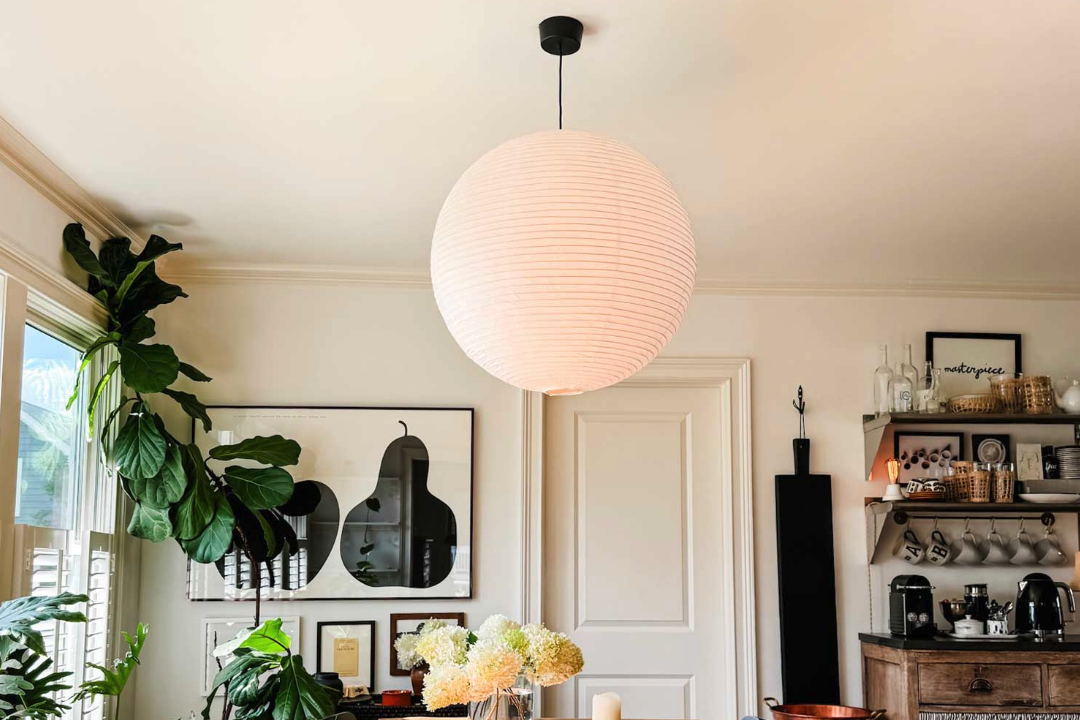
- Rattan, Wicker, and Cane: These woven natural fibers bring an immediate sense of warmth and texture. They can be shaped into elaborate or simple forms, often allowing light to filter through in interesting patterns.
- Ceramics: Think hand-thrown or matte-finished ceramic. These can offer beautiful, organic shapes with a matte surface that diffuses light softly. They often come in neutral, earthy tones.
- Hand-Blown Glass: Glass can also feel organic, especially when it’s not perfectly uniform. Variations in thickness, subtle swirls of color, or a frosted finish can lend it a hand-made, natural appeal. Consider frosted or amber-tinted glass for a warmer glow.
- Natural Fiber Textiles: Some pendants use materials like linen, hemp, or felt, often stretched over a frame. These provide a soft, diffused light and a tactile quality.
The Art of the Shape: Beyond the Orb
While a perfect sphere can have organic qualities, truly stand-out organic pendants often go beyond this.
- Asymmetrical Forms: Embracing imperfection, many organic pendants feature deliberately asymmetrical shapes that mimic natural elements like a fallen leaf, a cluster of berries, or a meandering vine.
- Petal and Seed Pod Inspired Designs: You’ll find designs that directly reference floral or botanical elements, with delicate layers or rounded, enclosed forms that evoke seed pods or buds.
- Flowing, Undulating Lines: Instead of straight lines, look for pendants with continuous, smooth curves that suggest movement and natural growth.
- Textural Protrusions: Some designs incorporate subtle textural elements that protrude or recede, adding depth and visual interest, much like the bark of a tree or the surface of a rock.
Light Quality: The Glow Effect
The way a pendant emits light is as important as its form.
- Diffused Illumination: Most organic pendants are designed to soften and spread light, avoiding harsh shadows. This is often achieved through the material itself (like woven fibers or frosted glass) or through the internal structure of the fixture.
- Warm Tones: The materials and design choices often lead to a warmer light output, which is crucial for creating a welcoming dining environment. Consider using warm-toned LED bulbs to enhance this effect.
- Shadow Play: While softened, some organic pendants can still create interesting shadow patterns on your walls and ceiling, adding another layer of visual dynamism to your dining space, especially in the evening.
Integrating Organic Pendants into Your Dining Room Design
It’s one thing to admire an organic pendant; it’s another to make it work within your existing or planned dining room.
Scale and Placement: Getting it Right
This is where practicality really kicks in. A beautiful pendant can fall flat if it’s the wrong size or hung in the wrong spot.
- Dining Table Harmony: The general rule of thumb is that the pendant should be about half to two-thirds the width of your dining table. This creates visual balance without overwhelming the space.
- Height is Crucial: The bottom of the pendant should typically hang 30-36 inches above the surface of your dining table. This is high enough to avoid bumping your head but low enough to feel intimate and effectively illuminate the table.
- Consider Room Dimensions: In a very large room, you might consider a larger, more impactful pendant or even a cluster of smaller organic pendants to fill the space. In a smaller room, opt for a more streamlined design to avoid making the room feel cramped.
- No Obstruction: Ensure the pendant doesn’t block sightlines for guests sitting opposite each other at the table. This is particularly important for conversation flow.
Complementing Your Existing Decor
Think about how your new pendant will interact with the other elements in your dining room.
- Material Echoes: As mentioned, echoing materials in your table, chairs, or other furniture can create a strong sense of cohesion. For example, a pendant with wood accents can tie in nicely with wooden chair legs or a sideboard.
- Color Palette: While organic palettes are often neutral, you can use the pendant to introduce a subtle color or to reinforce your existing color scheme. A pendant with a soft green ceramic element could pick up on plant accents in the room.
- Balancing Textures: If your dining room is heavy on hard surfaces (like a stone floor or smooth wall finishes), an organic pendant with a woven or textured material can introduce softness and visual warmth. Conversely, if you have a lot of soft textiles, a more sculptural ceramic or wood pendant can add structure.
- Style Synergy: While organic pendants are adaptable, consider the overall style of your room. A very minimalist room might benefit from a simpler organic shape, while a more maximalist or eclectic space can handle a more exuberant design.
Lighting Layers: Beyond the Pendant
While the organic pendant is your star, don’t forget other lighting sources.
- Ambient Lighting: This provides the general illumination for the room. It could be from recessed lighting, wall sconces, or even another, less prominent ceiling fixture.
- Task Lighting: In a dining room context, the pendant is your primary task lighting for the table. However, consider accent lighting for artwork or display cabinets using small spotlights or picture lights.
- Decorative Lighting: This is where you can have fun. A buffet lamp, a unique floor lamp in a corner, or even string lights can add decorative flair and contribute to the overall mood. Your organic pendant is the hero, but these supporting actors help paint the full picture.
Are Organic Pendant Lights a Passing Trend?
It’s a common question: will this look dated in a few years? When it comes to organic pendants, the answer leans towards longevity.
Rooted in Timeless Appeal
The appeal of organic forms and natural materials isn’t tied to a specific decade.
- Natural Forms Endure: Humans have always been drawn to the shapes and textures found in nature. This fundamental connection means that designs inspired by them tend to have a timeless quality, unlike purely geometric or purely technological aesthetics.
- Versatility as a Virtue: Because organic pendants can be made from such a wide array of materials and come in such diverse forms, they maintain their relevance by adapting. A classic rattan pendant will always feel elegant, while a contemporary ceramic design might feel more on-trend, but still grounded in enduring principles.
- Focus on Craft and Quality: Many organic pendants highlight craftsmanship. When a piece is well-made, with attention to detail and quality materials, it’s less likely to feel disposable or quickly outdated. It becomes more of an investment piece.
The “Must-Have” Factor: Why Now?
The reason they’re gaining traction as a “must-have” is their ability to address current design desires.
- The Desire for Warmth and Comfort: In an increasingly digital world, people are craving tactile, warm, and comfortable living spaces. Organic pendants directly fulfill this need by bringing natural elements and soft light into the home.
- Biophilic Design Principles: There’s a growing understanding and application of biophilic design – the concept of connecting building occupants more closely to nature. Organic lighting is a direct manifestation of this trend, promoting well-being and a sense of calm.
- A Break from the Monochromatic: While minimalist and monochromatic schemes have their place, many are seeking to inject more personality and warmth into their homes. Organic pendants offer a sophisticated way to do this without being overly flashy.
- Elevating the Everyday: They transform the act of dining from purely functional to an experience. This makes them a “must-have” for those who see their home as a reflection of their lifestyle and values. They’re not just lighting; they’re enhancing the quality of life within the dining space.
Where to Find the Perfect Organic Pendant
You’ve decided you want one. Now, where do you look? The good news is, they’re becoming increasingly accessible from various sources.
Exploring Your Options
From high-end boutiques to online retailers, there’s a product for almost every taste and budget.
- Specialty Lighting Stores: These often carry a curated selection of designer and handcrafted organic pendants. You can see them in person, feel the materials, and get expert advice.
- Online Retailers: Websites like Etsy, Anthropologie, West Elm, Crate & Barrel, and even larger marketplaces like Amazon offer a vast range of organic pendants, from handcrafted artisan pieces to more mass-produced, yet still thoughtfully designed, options.
- Direct from Artisans/Makers: If you’re looking for something truly unique, consider sourcing directly from woodworkers, ceramicists, or basket weavers who specialize in lighting. This can sometimes be a more bespoke and personal experience.
- Independent Home Decor Boutiques: Many smaller shops curate unique lighting pieces that often include organic designs, offering a more personal shopping experience.
Considering Your Budget
Organic pendants can range widely in price, so it’s helpful to have an idea of what you’re willing to spend.
- Entry-Level Options: You can find attractive woven or natural fiber pendants from large online retailers at more accessible price points. These often offer the visual essence of organic design without the premium cost of hand-craftsmanship.
- Mid-Range Investments: Brands known for quality home furnishings often have beautiful organic pendants in the mid-range. These might feature higher-quality wood, more complex ceramic forms, or superior finishes.
- High-End and Designer Pieces: If budget is less of a concern, designer studios and bespoke makers offer stunning, often sculptural, organic pendants made from premium materials. These are usually very durable and will be a statement piece for years.
What to Look For When Buying
A few practical tips can help you make a confident purchase.
- Read Reviews: Pay attention to what other customers say about the quality of materials, ease of installation, and how the light actually looks in their space.
- Check Dimensions Carefully: Always re-verify the pendant’s dimensions against your room and table size before purchasing.
- Material Descriptions: Understand what you’re buying. Is it solid wood or veneer? Is the rattan treated or natural? This can affect durability and appearance.
- Return Policies: Familiarize yourself with the return policy, especially when buying online, in case the piece isn’t quite right when it arrives.
In essence, an organic pendant light isn’t just a trend; it’s a thoughtful addition to a modern dining room that brings natural beauty and a sense of well-being. It’s a piece that can elevate your everyday dining experience and make your home feel more inviting and grounded.