Elevate Your Kitchen with Modern Pendant Lighting Ideas
Pendant lighting offers a versatile and aesthetically functional approach to illuminating a kitchen. This guide explores various modern pendant lighting ideas, examining their impact on kitchen design, functionality, and ambiance.
Pendant lights are suspended lighting fixtures that hang from the ceiling, typically over a specific area or piece of furniture. In a kitchen context, they serve a dual purpose: task lighting and ambient illumination, while also acting as a significant design element. Their placement and style can dramatically alter the perception of space, mood, and the overall functionality of the kitchen.
The Evolution of Kitchen Lighting
Historically, kitchen lighting was primarily functional, focusing on general overhead illumination. With advancements in technology and a growing understanding of human-centered design, lighting has become an integral part of creating comfortable and efficient living spaces. Pendant lights Zouille, once a niche choice, have become a staple in modern kitchen design, offering a sophisticated alternative to traditional fixtures.
Defining “Modern” in Pendant Lighting
The term “modern” in pendant lighting encompasses a range of styles that prioritize clean lines, minimalist forms, and often utilize materials such as metal, glass, and wood in innovative ways. Modern designs often eschew ornate details in favor of elegant simplicity, making them adaptable to a variety of kitchen aesthetics, from minimalist to industrial.
Functional Considerations for Pendant Lights
Beyond aesthetics, pendant lights must fulfill practical lighting requirements. The primary functions include:
- Task Lighting: Illuminating specific work surfaces like countertops, islands, and sinks. This is crucial for food preparation, cooking, and cleaning.
- Ambient Lighting: Providing a general level of light that contributes to the overall atmosphere of the kitchen.
- Accent Lighting: Highlighting particular architectural features or decorative elements within the kitchen.
The Impact of Scale and Proportion
The size and number of pendant lights chosen are critical to achieving a balanced and functional kitchen. Overly large fixtures can overwhelm a small space, while too many small lights might not provide sufficient illumination. Understanding the scale of your kitchen and the intended purpose of the lighting will guide these decisions.
Strategic Placement for Optimal Functionality
The effectiveness of pendant lighting is significantly influenced by its placement. Incorrect positioning can lead to glare, insufficient light, or an aesthetically unbalanced space. Strategic placement ensures that the lighting serves its intended purpose without creating visual clutter or functional hindrances.
Illuminating the Kitchen Island
The kitchen island is a common focal point and a prime location for pendant lighting.
Pendant Lighting Over Islands: Key Considerations
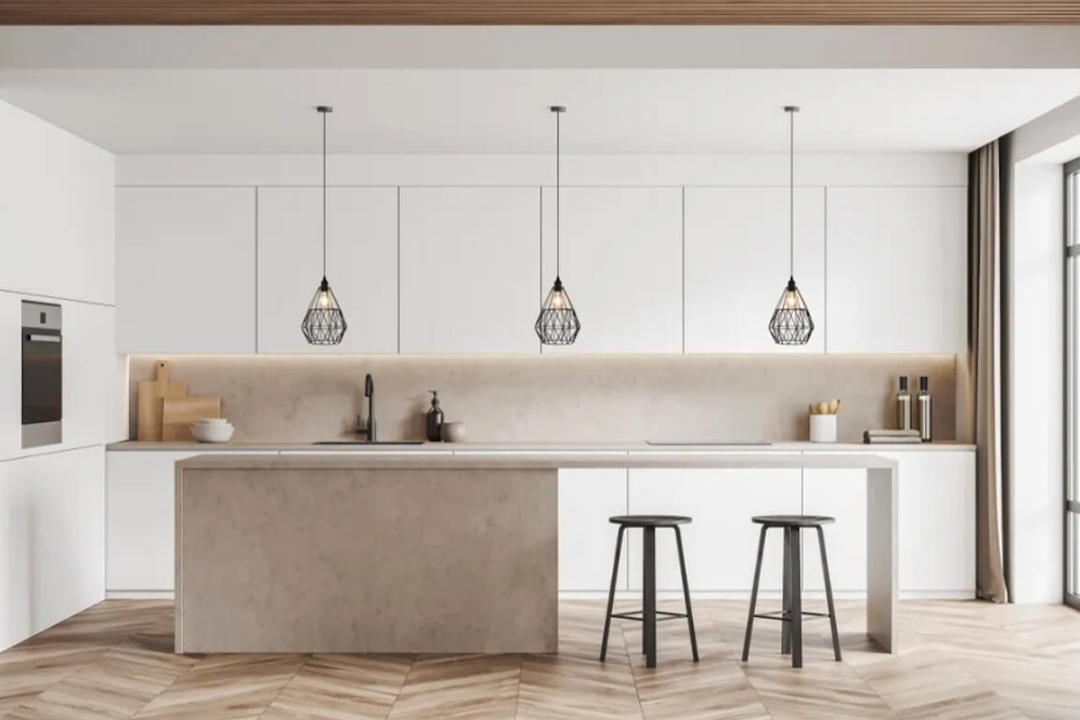
- Height: The ideal height for pendants over an island is typically 30-36 inches from the countertop surface. This ensures adequate light for tasks without obstructing views or conversation. It forms a visual bridge between the workspace and the hanging lights.
- Spacing: The number and spacing of pendants over an island depend on the island’s length and the size of the fixtures. For standard islands, two or three pendants are common. The rule of thumb is to have about 30 inches of space between the edges of the fixtures and the ends of the island.
- Scale: Scale is paramount. Larger islands can accommodate larger or more numerous pendants, while smaller islands benefit from more delicate and proportionately sized fixtures. The pendants should be a statement, but not a deafening one.
Trend: Cascading Pendant Arrangements
For a more dramatic effect, consider a cascading arrangement of pendants over a large island or breakfast bar. This involves varying the lengths of multiple pendants to create a visually dynamic and engaging display. This can resemble a waterfall of light, drawing the eye and adding vertical interest.
Pendant Lighting Over the Dining Area
If your kitchen incorporates a dining space, pendant lights can define this zone and enhance the dining experience.
Creating Ambiance for Dining
- Height: Similar to islands, pendant lights over a dining table should be positioned at a height that allows for comfortable visibility over the table setting, typically 30-36 inches from the tabletop. This creates an intimate and focused dining atmosphere.
- Fixture Choice: Consider fixtures that emit a warm, diffused light, fostering a cozy and inviting ambiance. Dimmable options are highly recommended for adjusting the mood.
- Single Statement Piece: A single, larger pendant can serve as a striking focal point over a smaller dining table. This acts as a singular beacon of illumination.
Defining Zones with Pendant Lights
In open-plan kitchens, pendant lights can subtly demarcate distinct areas, such as the cooking zone from the dining or living space without the need for physical barriers. They act as visual anchors, organizing the flow of the space.
Task Lighting Over Work Surfaces
Beyond islands and dining areas, pendant lights can provide focused illumination for critical work zones.
Illuminating Countertops and Sinks
- Direct Illumination: Choose pendant lights with directional beams to effectively light up countertops used for food preparation or sinks for washing.
- Placement: Position them directly above the task area, ensuring no shadows are cast by the user. This is akin to a spotlight for your culinary endeavors.
- Adjustability: Fixtures with adjustable arms or heads offer flexibility in directing light precisely where it’s needed, adapting to different tasks.
Accent Lighting for Visual Interest
Pendant lights can also be employed to draw attention to specific features within the kitchen.
Highlighting Architectural Elements
- Spotlighting Artwork or Shelving: Small, focused pendant lights can be used to illuminate artwork, decorative shelves, or even unique backsplash designs, turning them into points of visual interest.
- Creating Depth and Dimension: Strategic use of accent pendants can add depth and dimension to the kitchen, preventing it from appearing flat or monotonous. They add the sparkle to the narrative of your kitchen.
Exploring Material and Finish Options
The materials and finishes of pendant lights contribute significantly to the kitchen’s overall style and atmosphere. Modern kitchens often gravitate towards materials that convey sophistication, durability, and clean aesthetics.
Metal Finishes: From Industrial to Luxe
Metal is a prevalent material in modern pendant lighting, offering a range of finishes to suit diverse styles.
Brushed Nickel and Stainless Steel: Contemporary Appeal
- Characteristics: These finishes offer a sleek, understated look that complements contemporary and minimalist kitchens. They are durable and easy to clean.
- Applications: Ideal for islands and general task lighting, providing a neutral yet sophisticated light source. They are the dependable workhorses of kitchen illumination.
Matte Black: Bold and Dramatic
- Characteristics: Matte black offers a striking contrast and a modern, industrial edge. It can make a bold statement in any kitchen.
- Applications: Excellent for creating a focal point over islands or dining areas, particularly effective in kitchens with lighter cabinetry or contrasting materials. It’s the punctuation mark in your kitchen’s design sentence.
Brass and Copper: Warm Accents
- Characteristics: While often associated with traditional styles, polished or brushed brass and copper finishes have found a place in modern design, adding warmth and a touch of luxury.
- Applications: Can be used to introduce a softer, more organic feel to the kitchen, especially when paired with natural materials like wood or stone. They add a touch of gilded elegance.
Glass: Transparency and Diffused Light
Glass is a versatile material that can be used in various forms to influence light diffusion and style.
Clear Glass: Unobstructed Illumination
- Characteristics: Clear glass offers an unobstructed view of the light source, contributing to a minimalist and airy feel. It allows the fixture’s design to be the primary visual element.
- Applications: Suitable for areas where direct, bright light is desired, such as over task areas. It’s the transparent window to your lighting’s soul.
Frosted or Opal Glass: Softened Glow
- Characteristics: Frosted or opal glass diffuses light, creating a softer, more ambient glow. This reduces glare and can enhance a calming atmosphere.
- Applications: Excellent for general kitchen illumination or over dining areas where a softer light is preferred. It lends a gentle embrace to the space.
Colored Glass: Artistic Touches
- Characteristics: Colored glass pendants can add a unique artistic flair and a splash of personality to the kitchen.
- Applications: Consider using colored glass in smaller doses for accent lighting or in a cluster of pendants for a more pronounced visual impact. They are the brushstrokes of light on your kitchen canvas.
Wood Accents: Natural Warmth
Incorporating wood into pendant designs can bring a sense of warmth and organic texture to modern kitchens.
Wooden Accents in Metal Fixtures
- Characteristics: Many modern pendant lights combine metal elements with wooden accents, such as a wooden cap or base. This blends industrial and natural aesthetics.
- Applications: Adds a touch of warmth and complements kitchens with wooden cabinetry or decor. It’s the comforting hand of nature in a sleek design.
All-Wood Pendants
- Characteristics: Some contemporary designs feature pendants crafted entirely from wood, offering a unique and earthy appeal.
- Applications: Best suited for kitchens where natural materials are a dominant theme, providing a distinct point of interest.
Modern Pendant Lighting Styles for Every Kitchen
The diversity of modern pendant lighting design allows for a wide range of styles, each offering a unique aesthetic contribution to the kitchen.
Minimalist and Geometric Designs
These styles prioritize simplicity, clean lines, and often geometric shapes.
The Linear Pendant: Sleek and Functional
- Description: Characterized by long, slender forms, linear pendants are ideal for illuminating countertops or islands. They offer continuous light coverage.
- Impact: Provides a modern, uncluttered look and is highly effective for task lighting. They are the steady river of light that nourishes your workspace.
The Globe Pendant: Timeless Simplicity
- Description: Featuring a spherical shade, globe pendants offer a classic yet modern appeal. They can be hung individually or in clusters.
- Impact: Creates a soft, diffused light and adds a touch of elegance without being ostentatious. They are like gentle moons in your kitchen sky.
Geometric Forms: Sharp and Defined
- Description: Pendants with sharp angles, such as cubes, rectangles, or hexagonal shapes, bring a contemporary and slightly edgy feel.
- Impact: Adds architectural interest and a sense of order to the kitchen. They are the precise blueprints of light.
Industrial-Inspired Pendants: Robust and Characterful
These designs draw inspiration from factory and warehouse aesthetics, often featuring metal construction and exposed elements.
The Barn Light Pendant: Retro Charm
- Description: Characterized by a wide, flared shade, barn light pendants offer a nod to rustic industrial design.
- Impact: Adds character and a touch of vintage appeal, particularly effective in kitchens with exposed brick or raw wood elements. They are the weathered postcards of light.
The Cage Pendant: Open and Airy
- Description: Featuring an open metal cage surrounding the bulb, these pendants offer an industrial, utilitarian look.
- Impact: Creates a distinctive visual texture and allows the light source itself to become a design feature. They are the exposed gears of illumination.
Exposed Bulb Pendants: Raw and Uncomplicated
- Description: These designs often forego a shade entirely, showcasing the light bulb as the primary element.
- Impact: Delivers a raw, industrial aesthetic and a bright, direct light. They are the unadorned truth of light.
Contemporary Sculptural Pendants: Artistic Statements
These fixtures push the boundaries of design, often resembling works of art.
Organic Shapes: Fluid and Natural
- Description: Pendants with flowing, organic lines and curves can introduce a softer, more artistic element to the kitchen.
- Impact: Adds visual depth and a unique focal point, breaking away from rigid symmetry. They are the melodies of light.
Multi-Light Pendants: Dynamic Configurations
- Description: Fixtures with multiple arms or interconnected elements that hold several lights offer dynamic and often adjustable lighting solutions.
- Impact: Allows for versatile illumination and can create a striking visual arrangement. They are the constellations designed for your space.
Unique Material Combinations: Innovative Aesthetics
- Description: Pendants that creatively combine contrasting materials, such as concrete with metal or wood with glass, offer distinctive modern looks.
- Impact: Provides a fresh and unexpected visual element, reflecting a bold design sensibility. They are the unexpected symbioses of light and form.
Beyond Illumination: The Ambiance-Enhancing Power of Pendants
Pendant lights are not merely functional tools; they are powerful instruments for shaping the ambiance and overall feel of a kitchen. Their ability to influence mood, create focal points, and enhance the aesthetic narrative of the space is paramount.
Setting the Mood: Warmth, Brightness, and Dimmability
The quality of light emitted by pendant fixtures plays a crucial role in establishing the desired atmosphere.
The Importance of Light Temperature
- Warm White (2700K-3000K): This range mimics natural daylight and creates a cozy, inviting atmosphere. It is ideal for general ambient lighting and dining areas.
- Cool White (3500K-4100K): This provides a brighter, more energizing light, suitable for task lighting and areas where alertness is desired.
- Daylight (5000K+): This mimics natural daylight and is best for areas requiring maximum visibility and color accuracy, though it can feel stark in residential settings.
The Magic of Dimmable Fixtures
- Versatility: Dimmable pendants are essential for creating adaptability within the kitchen. They allow for bright, focused light during cooking and a softer, more relaxed glow for evening meals or social gatherings.
- Mood Control: Dimmers empower the homeowner to control the intensity of the light, thereby manipulating the mood of the space on demand. They are the conductors of your kitchen’s light orchestra.
Creating Focal Points and Visual Interest
Pendant lights, strategically placed and chosen for their design, can act as artistic anchors within the kitchen.
Drawing the Eye
- Statement Pieces: Larger, more ornate, or uniquely designed pendants can serve as bold focal points, drawing attention and dictating the style of the space.
- Grouping and Clustering: A well-arranged cluster of smaller pendants can create a visually captivating display, adding dynamism and personality. This is akin to a carefully curated art installation.
Architectural Enhancement
- Highlighting Features: Pendants can be used to accentuate architectural elements such as vaulted ceilings, exposed beams, or unique island designs, enhancing their visual prominence.
- Guiding the Gaze: Their placement can subtly guide the eye through the kitchen, directing attention to key areas and improving the perceived flow of the space.
Enhancing the Kitchen’s Style Narrative
The choice of pendant lighting is a critical component in telling the story of your kitchen’s design.
Complementing Cabinetry and Countertops
- Material Harmony: The materials and finishes of your pendants should ideally complement the finishes of your cabinetry, countertops, and backsplash.
- Style Cohesion: Whether your kitchen is ultra-modern, transitional, or industrial, the pendant lights should reinforce that chosen aesthetic through their form and material. They are the spoken words that complete the visual sentence of your kitchen.
Balancing the Overall Design
- Visual Weight: Consider the visual weight of the pendants in relation to other elements in the kitchen. A heavy fixture might require simpler surrounding elements, while a delicate pendant can be paired with more elaborate designs.
- Scale and Proportion: Ensuring the pendants are appropriately scaled for the room and the furniture they are illuminating is crucial for a harmonious and balanced look.
Installation and Maintenance Considerations
Proper installation and regular maintenance of pendant lights are essential for their longevity, safety, and continued aesthetic appeal. While many homeowners opt for professional installation, understanding the basic principles can be beneficial.
Professional Installation: Safety First
- Complexity: Installing electrical fixtures can be complex and potentially dangerous. Professional electricians have the expertise and tools to ensure the installation is safe, compliant with building codes, and correctly wired.
- Wiring and Support: Professionals can ensure the ceiling structure can adequately support the weight of the fixture and that the wiring is correctly connected to the appropriate circuit.
DIY Installation: Precautions and Best Practices
- Power Off: Always turn off the power to the circuit at the breaker box before beginning any work. Double-check with a non-contact voltage tester.
- Understanding Wiring: Familiarize yourself with basic electrical wiring principles for safe connection of wires (hot, neutral, ground).
- Fixture Support: Ensure the junction box is rated for the weight of the pendant and is securely mounted to a ceiling joist or appropriate bracing.
- Reading Instructions: Carefully read and follow the manufacturer’s installation instructions for the specific pendant model.
Routine Maintenance for Longevity
- Cleaning: Dust and clean pendant fixtures regularly to maintain their appearance and prevent the buildup of grease and grime, especially in a kitchen environment. Use appropriate cleaning agents for the material of the fixture.
- Bulb Replacement: When replacing bulbs, ensure you use the correct type and wattage as recommended by the manufacturer to avoid overheating or damage to the fixture.
- Checking Connections: Periodically inspect for any loose connections or signs of wear on the wiring or mounting hardware.
Addressing Glare and Light Distribution
- Adjusting Height and Angle: If glare is an issue, experiment with adjusting the suspension height of the pendant or the angle of the light source if the fixture allows.
- Using Diffusers: For fixtures where glare is inherent, consider using diffusers or shades that soften the light.
- Strategic Bulb Choice: The type of bulb used can also impact glare. Frosted bulbs or those with a lower lumen output can provide a gentler light.
By carefully considering these aspects of installation and maintenance, you can ensure your modern pendant lighting continues to illuminate and enhance your kitchen for years to come, acting as a reliable and beautiful part of your home’s ecosystem.