Soft Focus Sunset: Overhead Lighting
This article examines the aesthetic and practical applications of “soft focus sunset” in the context of overhead lighting. The term “soft focus sunset” refers to the deliberate manipulation of light, often achieved through diffusion and color temperature adjustment, to emulate the warm, diffused glow observed during a natural sunset. When applied to overhead lighting, this technique aims to create a specific atmospheric quality rather than merely illuminating a space. This exploration will delve into the technical considerations, historical precedents, and design implications of this lighting approach.
While the natural phenomenon of a sunset is inherently dynamic and fleeting, its translation into an artificial lighting scheme requires careful planning and execution. The challenge lies in capturing the essence of this natural event—its warmth, its softness, and its subtle color shifts—without producing a static or artificial result. The purpose of deploying such a lighting Uikobo strategy extends beyond basic illumination, venturing into the realm of mood creation and psychological impact.
Technical Considerations
Achieving a “soft focus sunset” effect with overhead lighting involves several key technical parameters. These parameters are interconnected and require a coordinated approach to produce the desired visual outcome. Understanding these elements is crucial for effective implementation.
Light Source Selection
The choice of light source is fundamental. Incandescent bulbs, while providing a warm color temperature, are often inefficient and have a shorter lifespan. LEDs (Light Emitting Diodes) are generally preferred due to their energy efficiency, longevity, and versatility. Specifically, tunable white or RGBW (Red, Green, Blue, White) LED fixtures offer the necessary control over both color temperature and intensity.
Tunable White LEDs
Tunable white LEDs allow for dynamic adjustment of color temperature, typically ranging from warm white (around 2200K-3000K) to cool white (around 5000K-6500K). This range is essential for simulating the progression of a sunset, which transitions from bright, daylight-like tones to warmer, amber hues. The ability to shift seamlessly between these Kelvin temperatures is paramount for a convincing effect.
RGBW LEDs
RGBW LEDs provide an even greater spectrum of color control. The inclusion of red, green, and blue allows for the creation of a broader palette, including the distinct oranges, pinks, and purples often present during a sunset. The “W” channel (white) ensures the ability to create true white light when needed, preventing the artificial appearance that can sometimes arise from mixing only RGB components. Blending these colors at low intensities, often with a bias towards red and orange, is critical for the sunset aesthetic.
Diffusion Techniques
Diffusion is central to the “soft focus” aspect of the effect. Direct, un-diffused light creates harsh shadows and lacks the gentle quality of natural twilight. Various methods can be employed to soften the overhead light.
Diffuser Panels
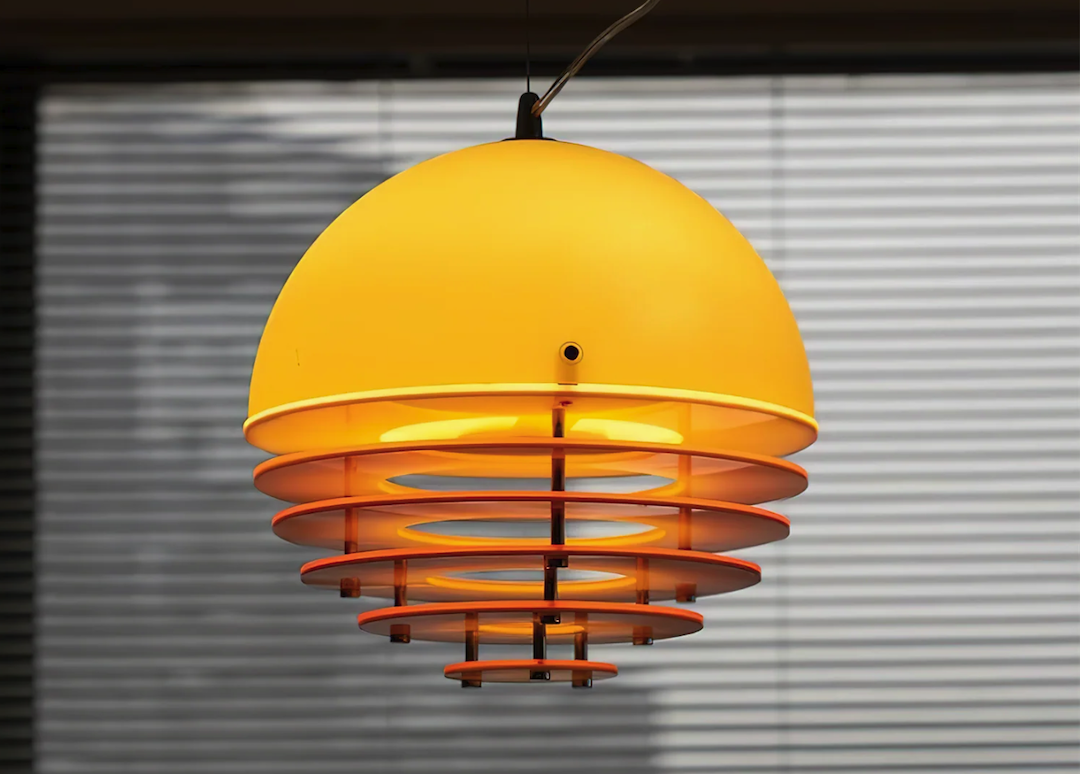
Diffuser panels, typically made from acrylic or polycarbonate, are placed beneath the light source. These panels scatter the light rays, reducing their intensity and creating a more even, dispersed illumination. The opacity and texture of the diffuser material significantly impact the degree of softness. Frosted or opal diffusers are commonly used for this purpose.
Indirect Lighting
Indirect lighting involves bouncing light off a surface, such as a ceiling or wall, before it reaches the intended area. This essentially turns the reflective surface into a large, soft light source. When combined with color-tunable light sources, indirect lighting can create a very convincing soft focus sunset effect, as the spread of light is inherently broad and gentle. This technique also helps to conceal the discrete light sources, contributing to a more natural appearance.
Light Boxes and Luminous Ceilings
Larger-scale installations may utilize light boxes or luminous ceilings. These integrated systems create a continuous, uniformly lit surface that can be programmed to emulate various lighting conditions, including sunsets. They often incorporate multiple layers of diffusers and light sources to achieve a seamless effect. Think of a light box as a carefully constructed cloud, designed to gently scatter the sun’s warmth across a space.
Control Systems
Sophisticated control systems are necessary to orchestrate the various parameters of “soft focus sunset” lighting. Manual adjustment is impractical for achieving dynamic transitions.
DMX and DALI Protocols
Digital Multiplex (DMX) and Digital Addressable Lighting Interface (DALI) are industry-standard protocols for controlling multiple lighting fixtures. These systems allow for precise control over intensity, color temperature, and color saturation of individual light sources or groups of fixtures. They facilitate the programming of complex lighting sequences that mimic the gradual changes of a natural sunset.
Automated Sequences
Automated sequences, or “scenes,” are pre-programmed lighting states that can be triggered at specific times or in response to external inputs. For a sunset effect, these sequences would typically involve a gradual dimming of intensity, a shift from cooler to warmer color temperatures, and potentially a subtle change in color saturation. The goal is to create a smooth, imperceptible transition, much like the slow descent of the sun below the horizon.
Aesthetic and Psychological Impact
The application of “soft focus sunset” in overhead lighting extends beyond purely technical execution; it delves into the realm of aesthetic experience and psychological well-being. The deliberate manipulation of light in this manner can profoundly influence perception and mood.
Mood Creation
The primary aesthetic objective of this lighting technique is mood creation. The warm, diffused glow associated with sunset is widely perceived as calming, inviting, and conducive to relaxation. In contrast to bright, high-intensity lighting, which often stimulates alertness, sunset-inspired illumination encourages a more reflective and comfortable atmosphere.
Warmth and Comfort
The prevalence of warmer color temperatures within the “sunset” spectrum (2200K-3500K) contributes significantly to a sense of warmth and comfort. These hues are often associated with firelight and cozy interiors, evoking feelings of security and well-being. This can be particularly beneficial in environments where people are intended to unwind or socialize.
Reduced Glare and Harshness
The “soft focus” element, achieved through diffusion, mitigates glare and harsh shadows. This results in a gentler, more uniform illumination that is less taxing on the eyes. The absence of sharp contrasts can contribute to a more serene and less visually demanding environment, promoting a sense of ease. The light becomes a gentle embrace rather than a direct gaze.
Circadian Rhythm Influence
Human physiology is intricately linked to natural light cycles. The “soft focus sunset” effect can be strategically employed to support healthy circadian rhythms, particularly in environments where natural light is limited or absent.
End-of-Day Transition
By gradually shifting overhead lighting towards warmer, dimmer tones in the evening, this technique can signal to the body that the day is concluding. This can aid in the natural production of melatonin, a hormone crucial for sleep regulation. In office spaces or healthcare facilities, such a transition can help employees or patients unwind and prepare for rest.
Mitigation of Blue Light Exposure
Exposure to high levels of blue light, particularly in the evening, has been linked to disrupted sleep patterns. “Soft focus sunset” lighting inherently reduces blue light content by emphasizing warmer, redder wavelengths. This proactive measure can contribute to a healthier sleep-wake cycle, especially in interior spaces dominated by artificial illumination.
Applications and Design Implications
The principles of “soft focus sunset” overhead lighting can be applied across a variety of settings, each with unique design considerations and objectives.
Hospitality Environments
Hotels, restaurants, and bars are prime candidates for this lighting approach. The creation of a welcoming, relaxing, and memorable atmosphere is paramount in these settings.
Restaurant Ambiance
In restaurants, a soft focus sunset effect can enhance the dining experience by fostering intimacy and comfort. The warm glow can make food appear more appealing and create a sense of occasion. It can transform a mundane meal into an experience. The goal is to encourage patrons to linger and enjoy their surroundings.
Hotel Lobbies and Lounges
Hotel lobbies and lounges benefit from this lighting to create a soothing arrival experience and a comfortable space for guests to relax. The subtle progression of light throughout the evening can provide a sense of continuity and well-being, blurring the boundaries between indoors and outdoors.
Residential Spaces
Integrating “soft focus sunset” into residential overhead lighting allows for personalized control over mood and contributes to a more harmonious living environment.
Living Rooms and Bedrooms
In living rooms, this lighting can create a cozy atmosphere for evening relaxation, movie watching, or entertaining. In bedrooms, a gradual transition to sunset-like lighting can aid in winding down before sleep, promoting better rest. It transforms a functional space into a sanctuary.
Smart Home Integration
With the proliferation of smart home technology, residential “soft focus sunset” lighting can be automated and integrated with other systems. Users can program specific scenes, control settings via voice commands, or link lighting to individual preferences and schedules.
Healthcare and Wellness Facilities
While often overlooked, the impact of lighting on patient well-being and recovery in healthcare settings is significant.
Patient Rooms
In patient rooms, a gentle, tunable overhead light that emulates natural light cycles, including a sunset effect, can contribute to patient comfort, reduce anxiety, and support better sleep. This moves beyond basic clinical illumination towards therapeutic lighting.
Waiting Areas and Therapy Rooms
Waiting areas and therapy rooms can benefit from the calming effects of soft focus sunset lighting, helping to reduce stress and create a more serene environment for individuals undergoing treatment or consultation. It acts as an invisible balm, easing tension.
Historical Context and Evolution
The desire to emulate natural light, particularly the warm glow of sunset, is not a recent phenomenon. Human beings have historically sought to replicate appealing natural phenomena within their built environments.
Early Attempts at Emulating Natural Light
Before the advent of electric lighting, fire—whether from hearths, candles, or oil lamps—provided warm, flickering illumination. While not a direct replication of sunset, these light sources shared a similar warm spectral quality that influenced human perception of comfort and safety in the evening. Stained glass in cathedrals, for example, often filtered daylight into rich, colored washes that invoked a sense of other-worldliness, drawing parallels to the saturated colors of a sunset.
Incandescent Era and Warmth
The early incandescent bulb, with its reddish-yellow glow, inherently offered a warm color temperature. While not designed for specific sunset emulation, it paved the way for a cultural association between warm light and evening comfort. However, the lack of precise control over color limited sophisticated applications.
Rise of Tunable LED Technology
The true breakthrough for “soft focus sunset” overhead lighting came with the development and widespread adoption of tunable LED technology. The ability to precisely control both color temperature and intensity, often through digital interfaces, transformed the possibilities from static representations to dynamic, evolving lightscapes. This marked a shift from mere imitation to a dynamic simulation.
Current Trends and Future Prospects
Current trends indicate a growing awareness of human-centric lighting, which prioritizes the physiological and psychological impact of artificial illumination. “Soft focus sunset” falls squarely within this paradigm.
Biophilic Design Principles
The integration of soft focus sunset lighting aligns with biophilic design principles, which seek to connect occupants with nature. By bringing the essence of a natural phenomenon indoors, this lighting contributes to a more natural and restorative interior environment.
Advanced Algorithmic Control
Future developments may involve more advanced algorithmic control, where lighting systems learn occupant preferences, respond to real-time environmental data (e.g., actual outdoor sunset times), and even integrate with wearable biofeedback devices to optimize light for individual well-being. Imagine lights that intuitively understand your internal clock and adjust accordingly.
Challenges and Considerations
While the benefits of “soft focus sunset” overhead lighting are substantial, its implementation is not without challenges. Addressing these points is crucial for successful integration.
Cost of Implementation
High-quality tunable LED fixtures, sophisticated control systems, and custom diffuser solutions can represent a significant upfront investment. This cost can be a barrier, particularly for smaller projects or those with limited budgets.
Long-Term Value Proposition
It is important to articulate the long-term value proposition, which includes energy savings from LED technology, enhanced occupant well-being, and potentially increased productivity or customer satisfaction in commercial settings. The initial cost must be weighed against these sustained benefits.
Calibration and Programming Complexity
Achieving a convincing, smooth “soft focus sunset” effect requires careful calibration and programming. This often necessitates specialized lighting designers or technicians who understand the nuances of color science and lighting control. Improper calibration can lead to an artificial or disjointed appearance.
User Interface Design
The user interface for controlling these systems should be intuitive. If the system is overly complicated, users may not fully utilize its capabilities, diminishing the intended impact. Simplicity in operation, despite underlying complexity, is key.
Integration with Existing Infrastructure
Retrofitting “soft focus sunset” lighting into existing buildings can present challenges. Compatibility with current electrical systems, structural limitations for overhead fixtures, and the aesthetic integration of new diffusers all need careful consideration.
Design Cohesion
The lighting scheme must integrate seamlessly with the overall interior design. The chosen light fixtures, diffusers, and control interfaces should complement the architectural language and material palette of the space. The light should serve as an extension of the design, not an imposition.
In conclusion, “soft focus sunset” overhead lighting represents a sophisticated and impactful approach to illumination. By carefully integrating light sources, diffusion techniques, and advanced control systems, it is possible to replicate the calming and aesthetically pleasing qualities of a natural sunset within various built environments. This technique transcends mere functional illumination, serving as a tool for mood creation, psychological well-being, and atmospheric design. Its continued evolution, driven by advancements in LED technology and human-centric design principles, promises to further blur the lines between artificial and natural light, enriching our experiences within interior spaces.